Commercial Turf
Denver Commercial Turf Options for Rooftops and Common Areas
Denver properties need turf that handles foot traffic, heat, and clean drainage. Here’s how local installers approach rooftops, courtyards, and shared spaces.
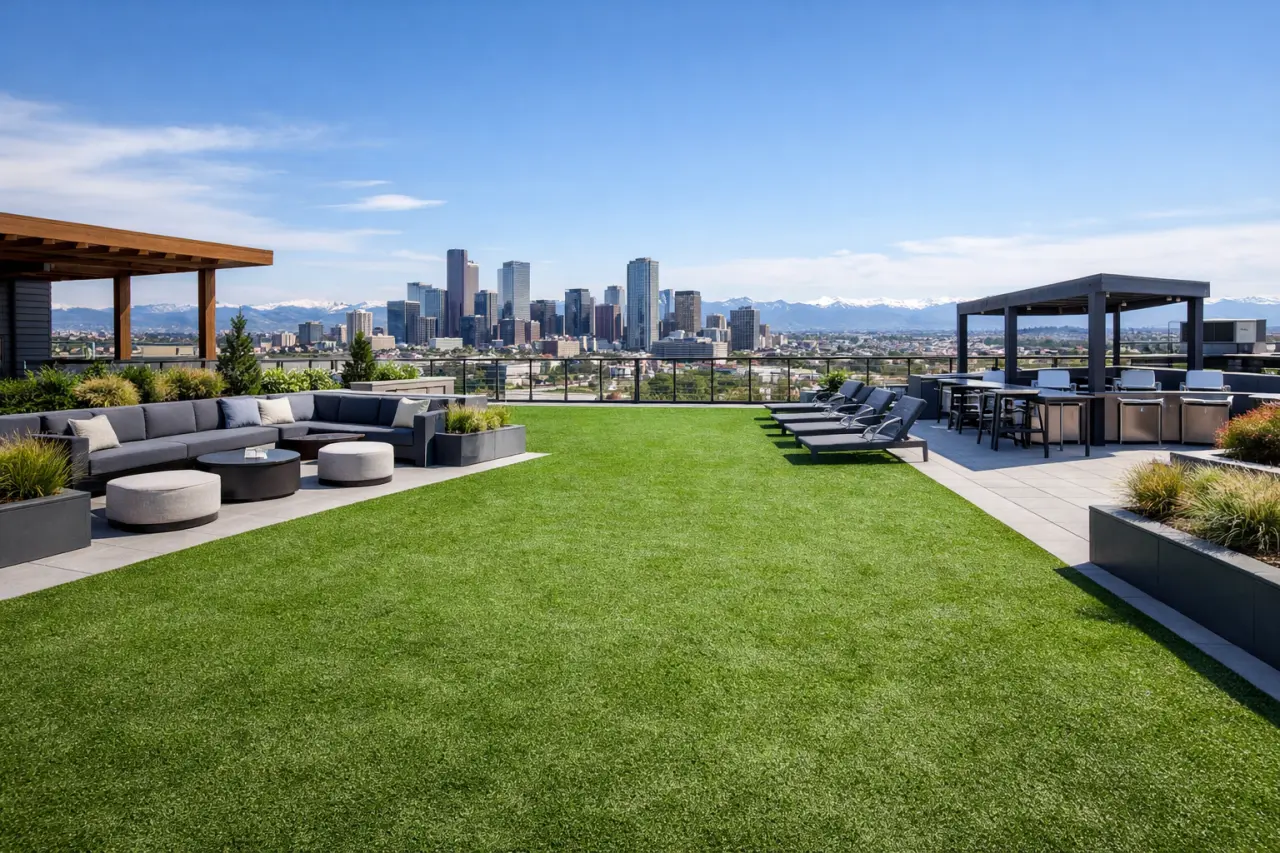
Denver commercial turf for places that get used hard
In Denver, commercial turf is rarely about making a lawn look pretty for a weekend. It’s more often about creating a surface that can handle steady foot traffic, simplify upkeep, and still look sharp through long stretches of dry weather. That’s why the best projects usually start with the use case, not the grass color.
Two local names worth knowing are Frontier Turf and SYNLawn Colorado. Frontier Turf says it works on residential and commercial spaces across the Denver Metro, including playgrounds and football fields, while SYNLawn Colorado says its commercial artificial turf is designed for durability and low maintenance for Colorado businesses. (frontierturf.com)
What Denver buyers should ask first
A commercial turf project in Denver usually lives or dies on a few practical questions:
- How much traffic will the surface see?
- Will people be walking on it every day, or only occasionally?
- Does the site need fast drainage after snowmelt or cleaning?
- Is the goal a landscape finish, a play area, or a training surface?
- How much heat buildup can the site tolerate?
Those questions matter because different products are built for different jobs. SYNLawn says its commercial turf is meant to withstand heavy foot traffic while reducing mowing, fertilizing, and regular watering. Frontier Turf likewise describes its turf as durable enough to handle heavy and constant foot traffic. (synlawn.com)
Rooftops and courtyards need a different mindset
If you’re planning turf for a rooftop or shared courtyard, the main job is not just visual appeal. You want a surface that feels finished, drains well, and doesn’t turn into a maintenance headache.
Frontier Turf specifically notes that its commercial synthetic turf can be used in settings like bar rooftops, gyms, and social spaces, while SYNLawn describes commercial turf applications that include rooftops and courtyards. That makes both companies useful starting points for Denver owners comparing products for elevated or semi-public spaces. (frontierturf.com)
For those projects, pay attention to:
- Drainage backing
- Pile height
- Heat-reduction features
- Edge transitions around planters, pavers, and seating
- Whether the surface is intended for landscape use or multi-use traffic
SYNLawn’s product pages show a range of commercial turf and infill options, including products aimed at landscape, play, and golf-style applications. Frontier Turf also says it handles full landscape design alongside synthetic turf, which can matter when a rooftop or courtyard needs more than grass alone. (synlawn.com)
Play areas and rec zones call for safety details
For playgrounds, daycares, and other active spaces, the conversation should shift from appearance to safety and performance. Frontier Turf says its kid-friendly turf is IPEMA certified, and SYNLawn offers playground-specific products such as SYNPro PLAY, which it describes as IPEMA certified for playground safety and designed for high-foot-traffic areas. (frontierturf.com)
That matters for Denver properties where the turf will be used by children, staff, or the public. A good installation plan should address:
- Cushioning or padding
- Drainage under the turf
- Edges and trip points
- Durability under repeated use
- Cleaning and debris removal
If the space is part of a school, park, or recreation area, ask how the installer handles base prep and whether the chosen turf is intended for that kind of wear. A product made for decorative landscaping is not the same thing as a surface built for running, jumping, or climbing. SYNLawn’s playground product language and Frontier Turf’s commercial use cases both point to the importance of matching the product to the environment. (synlawn.com)
Golf, training, and specialty surfaces
Denver also has a niche market for turf that does more than mimic grass. SYNLawn offers turf for putting greens and golf-related applications, and Frontier Turf says it installs professional-grade putting greens for commercial and indoor golf uses. (synlawn.com)
That’s useful for:
- Practice greens at hospitality properties
- Training spaces at fitness clubs
- Corporate amenity areas
- Indoor golf simulators and lounge-style venues
If your project needs predictable ball roll or a specific playing feel, don’t settle for a generic landscape turf. Ask for a product designed for golf or multi-use athletic performance instead.
How to compare local installers without overcomplicating it
A good Denver commercial turf installer should be able to explain three things clearly:
- What the surface is for
- What product they recommend
- How the base and drainage will be built
Frontier Turf says it has more than 25 years of combined staff experience and emphasizes workmanship and warranties. SYNLawn Colorado describes its commercial turf as a low-maintenance, cost-effective landscaping solution for Colorado businesses. Those are different strengths, and the better fit depends on whether your project is mainly about installation craftsmanship, product selection, or a combination of both. (frontierturf.com)
Before you sign off, ask each company to show:
- A similar completed project
- The exact turf product name
- Expected maintenance needs
- Drainage and sub-base approach
- Warranty terms tied to the selected material
A practical Denver takeaway
For Denver commercial turf, the smartest choice is usually the one that matches the space, not the one with the longest feature list. Rooftops, courtyards, playgrounds, and putting greens each call for a different setup, and local companies like Frontier Turf and SYNLawn Colorado make that easy to compare if you know what to ask. (frontierturf.com)
Related articles
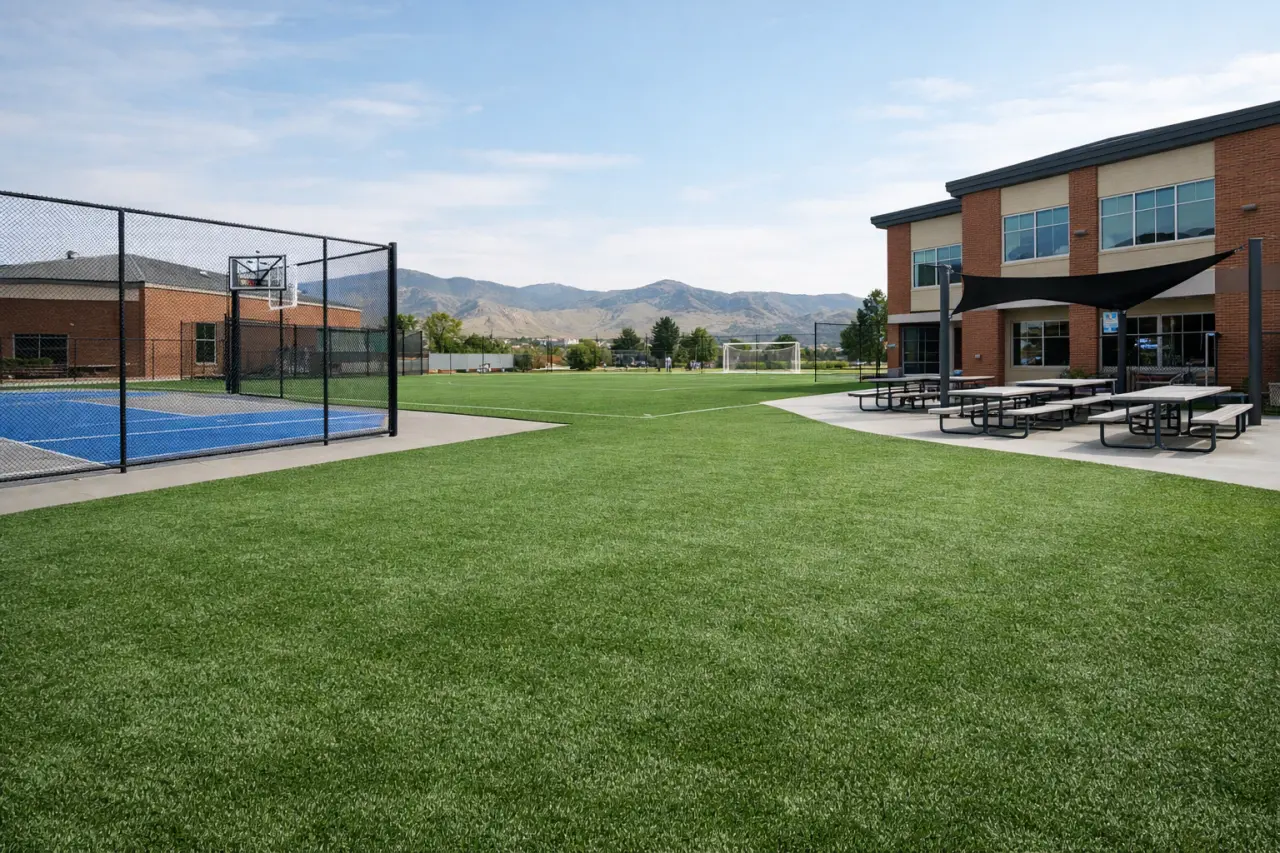
Lakewood Commercial Turf Installations for Campuses and Courts
Lakewood properties need turf that holds up under daily use. Here’s how local commercial installers approach campuses, courtyards, and play areas.
Editorial Team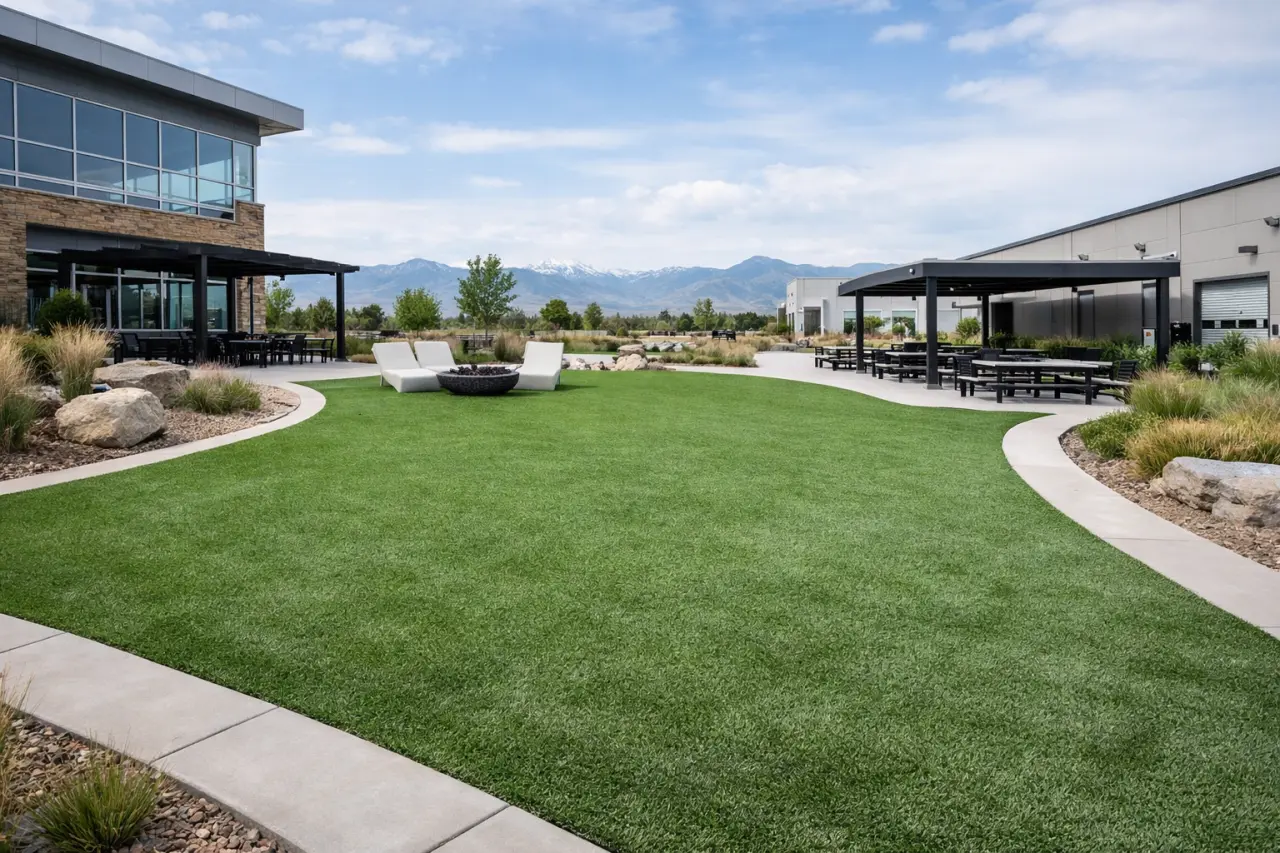
Lakewood Commercial Turf Services for Better-Managed Properties
Lakewood properties use commercial turf to cut upkeep and keep shared outdoor spaces looking consistent. Here’s how local installers approach the work.
Editorial Team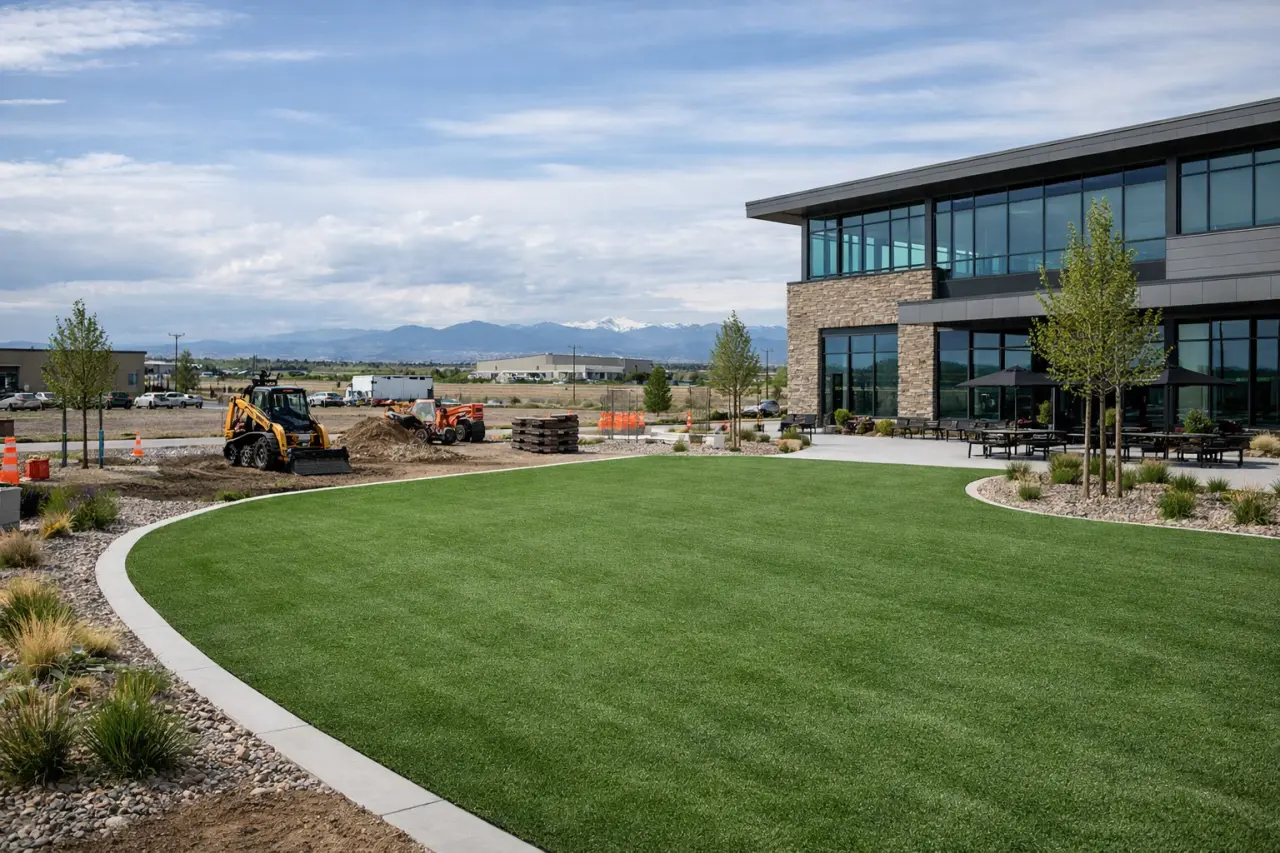
Fort Collins Commercial Turf Installers for Safer, Cleaner Sites
Fort Collins property managers can compare turf installers, supply options, and city rules before planning a commercial project.
Editorial Team