Irrigation Solutions
Denver Irrigation Solutions for Artificial Turf: Local Options
Denver turf owners still need smart water management for cleaning, cooling, and drainage. Here’s how local irrigation pros fit into that mix.
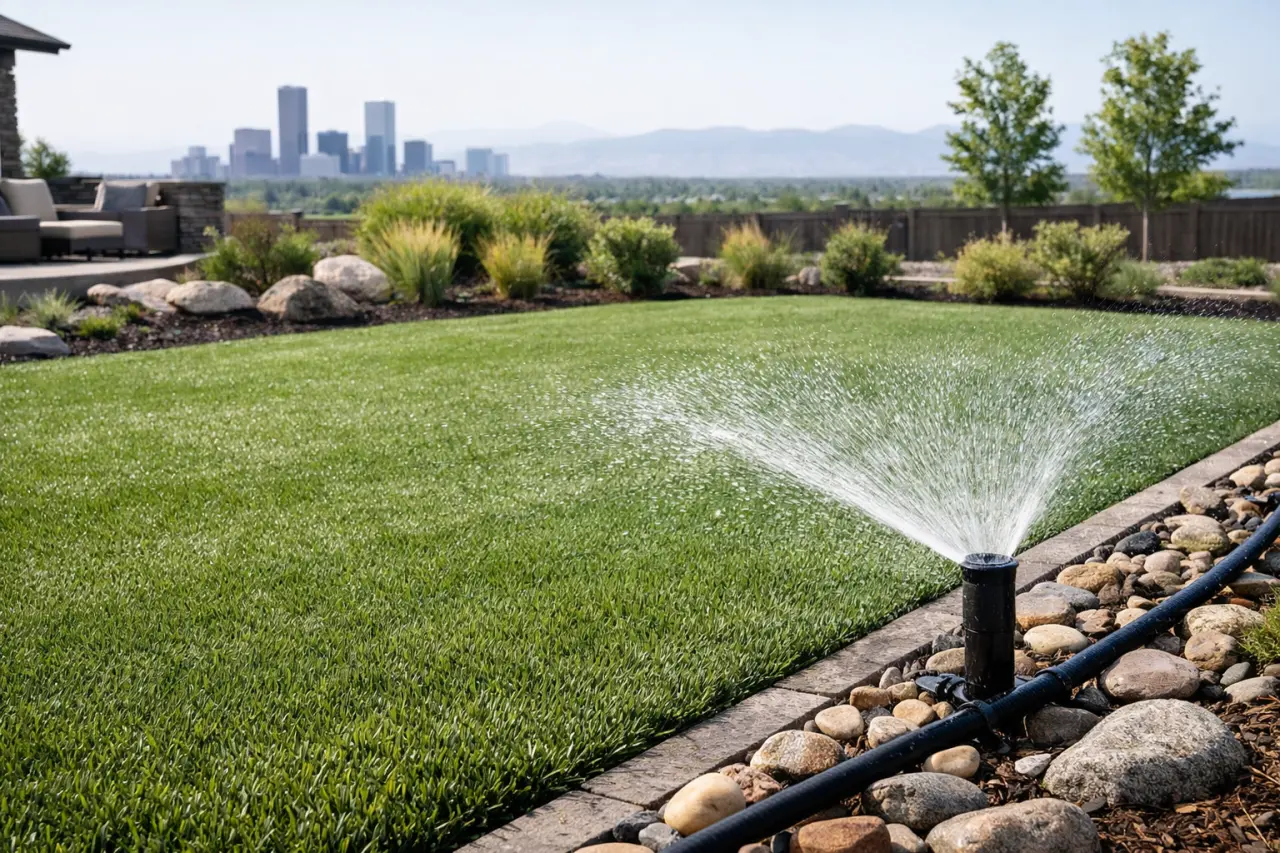
What irrigation means for artificial turf in Denver
Artificial turf does not need routine lawn watering, but Denver homeowners and property managers still run into water-management issues around synthetic grass. The most common are cooling the surface during hot stretches, rinsing pet areas, handling runoff at the edges, and keeping adjacent planting beds on a separate watering plan. Denver Water even notes that watering may be allowed to cool artificial turf to prevent heat-related injuries and that irrigation testing, leak checks, and repairs are part of normal system maintenance (Denver Water).
That makes irrigation solutions a practical category for turf projects in Denver. The best contractors are not just thinking about sprinklers; they are thinking about how turf, drainage, and the rest of the landscape work together.
Denver businesses that come up in turf-and-water planning
A few Denver-area companies stand out because they work on either side of the equation: synthetic turf installation or irrigation system design.
FRSR says it designs complete turf systems for Denver artificial turf installations and specifically addresses the question of how turf works with an existing sprinkler system (FRSR). That kind of setup matters when you are replacing grass with turf but still want nearby beds, trees, or entry strips watered correctly.
Mile-Hi Sprinkler focuses on professional irrigation system installation and landscaping services in Denver, evaluating yard conditions and building a system that gives each plant the right amount of water (Mile-Hi Sprinkler). For a turf-heavy property, that can mean reducing unnecessary spray over synthetic areas while improving coverage where living plants remain.
Supreme Landscapers offers irrigation system installation in Denver and says its systems are designed around zones, plant types, sun exposure, soil, and water pressure, along with irrigation audits and water-efficiency upgrades (Supreme Landscapers). That zone-by-zone approach is useful when a yard mixes turf with shrubs, beds, or narrow lawn strips.
The smartest setup: separate the turf from everything else
Denver Water recommends zoning turf areas separately from other plantings and using the irrigation method that fits each area most efficiently (Denver Water). For artificial turf owners, that usually means three things:
- Stop watering the turf itself unless you have a specific cooling or cleaning need.
- Keep sprinkler heads out of the turf footprint so they do not waste water or spray across synthetic blades.
- Use drip or targeted spray for plants that still need water at the edges of the yard.
Denver Water also says automatic sprinkler systems should be adjusted monthly and equipped with a rain sensor, because weather changes quickly and wasted water adds up fast (Denver Water). That advice matters even more on turf projects, where a system may only need to serve a few remaining plant zones.
What to ask before you hire
If you are in Denver and planning turf plus irrigation work at the same time, it helps to ask direct questions before the first shovel hits the ground:
1. Can the system be re-zoned?
Ask whether the installer can separate turf, shrubs, trees, and flower beds into different zones. Denver Water’s guidance is clear that different plantings should be watered in the most efficient way possible (Denver Water).
2. Will existing heads be capped, moved, or repurposed?
A turf install often exposes old pop-ups that no longer make sense. A good irrigation contractor should be able to identify heads that need to be capped off, lowered, or redirected so they do not waste water on synthetic grass.
3. Is drainage part of the plan?
Turf needs a prepared base, and water still has to go somewhere after rain, rinsing, or snowmelt. FRSR’s turf page points to complete turf systems rather than just rolling out synthetic grass, which is the right mindset for Denver properties that need performance in real weather (FRSR).
4. Are there efficiency upgrades worth making now?
If your controller is old or your spray pattern is sloppy, Denver Water’s rebate and efficiency pages are worth a look. It offers guidance on rotary and high-efficiency nozzles, which use less water and improve coverage compared with conventional spray nozzles (Denver Water).
Why this category still matters after turf goes in
A lot of people assume artificial turf ends the need for irrigation planning. In Denver, it really changes the job instead. Denver Water says about half of a single-family home’s water use is outdoors, so even small irrigation mistakes can have a big effect on bills and conservation goals (Denver Water).
That is why the most useful Denver turf projects are the ones that treat irrigation as a precision system, not a blanket one. The turf itself may stay dry most of the time, but the rest of the yard still benefits from careful watering, smart controller settings, and a contractor who understands how synthetic surfaces fit into a larger landscape plan.
If you are comparing local help, look for a company that can speak confidently about both turf installation and irrigation efficiency. In Denver, that combination is what keeps a synthetic yard looking clean without wasting water where it is no longer needed.
Related articles
Colorado Springs Irrigation Solutions for Artificial Turf and Cleanup
Colorado Springs homeowners with synthetic lawns still need smart watering for dust, washing, and drainage. Here’s how local irrigation pros approach it.
Editorial Team
Lakewood Irrigation Solutions for Artificial Turf Owners
Lakewood turf owners can trim waste and protect their install with smarter irrigation, from drip lines to sensor-based controls and seasonal tune-ups.
Editorial Team
Fort Collins Irrigation Solutions for Artificial Turf Owners
Fort Collins turf owners still need smart water planning. Here’s how local irrigation pros handle cooling, cleaning, and low-water system upgrades.
Editorial Team