Putting Greens
Denver Putting Greens: Local Turf Options for Golf Practice
Denver homeowners can compare putting-green installers by design style, drainage, and upkeep. Here’s how local turf teams approach custom practice surfaces.
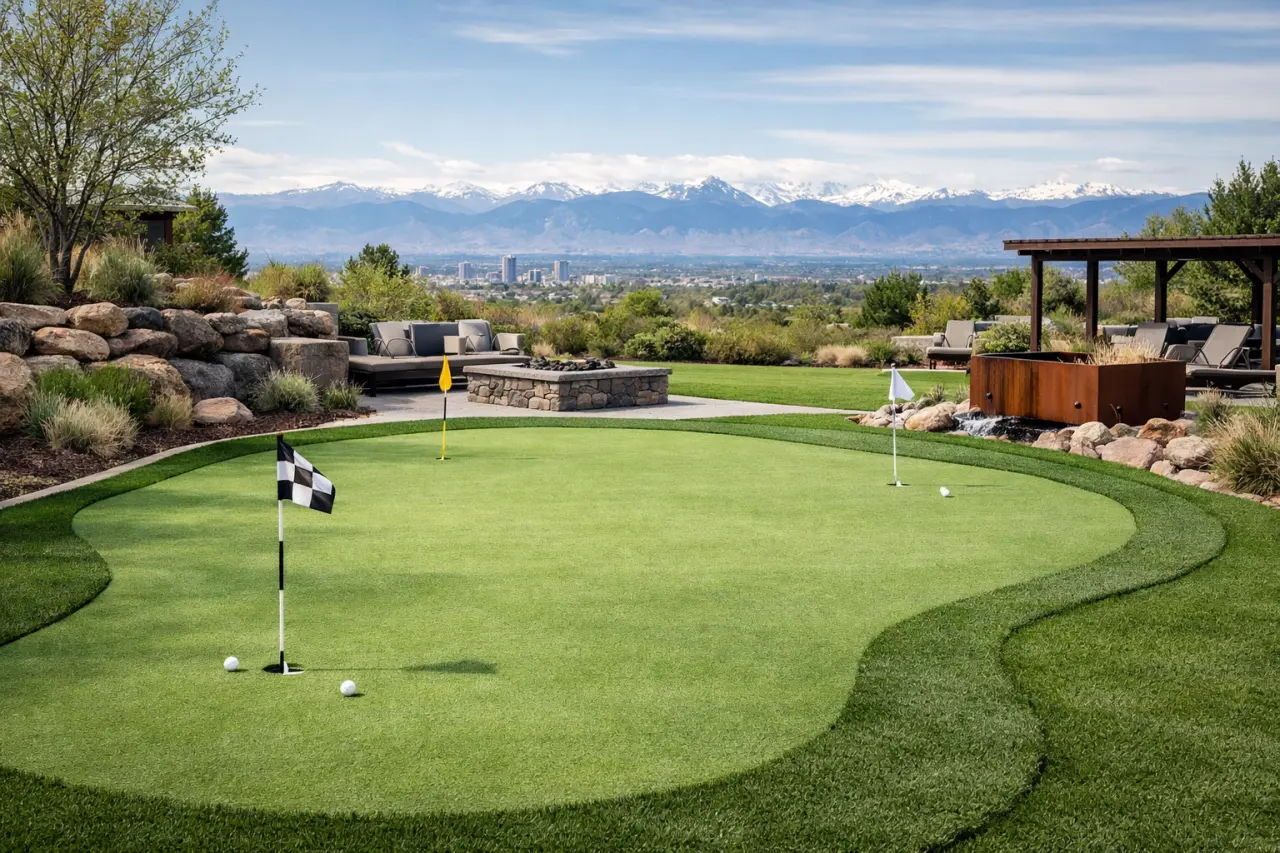
Denver putting greens are more than a patch of turf
A good putting green in Denver has to do a lot at once: hold a true roll, shed water fast, and stand up to sun, snow, and freeze-thaw cycles. Local companies often build those greens as part of a broader synthetic turf package, but the golf surface is its own craft. ProGreen Denver, for example, says its local team specializes in artificial grass engineered for Colorado’s climate and offers putting greens and sports fields as a service line (ProGreen Denver).
If you’re comparing options for a backyard practice area, the details matter as much as the name on the truck.
A few Denver names that focus on golf-ready turf
Three Denver-area companies stand out for putting-green work because they describe that work clearly on their own sites.
ProGreen Denver has a dedicated Denver location and says it handles “Putting Greens & Sports Fields,” with custom design, professional installation, and local service for Colorado conditions (ProGreen Denver). The company also says it started in 1987 from a passion for golf and grew from putting greens into a wider turf business (ProGreen).
PlushGrass says it has been installing artificial grass around Denver since 1998 and is an authorized distributor and installer for Celebrity Greens professional-level putting greens in Colorado (PlushGrass). That combination is useful if you want a more golf-specific build rather than a basic synthetic lawn with a cup cut into it.
SYNLawn Colorado promotes artificial grass, putting greens, and pet turf for Denver homeowners and businesses, and specifically notes that golfers in Denver like its artificial putting greens for year-round practice (SYNLawn Colorado).
How to compare installers without overcomplicating it
Most buyers don’t need every technical spec. They do need to know whether the installer can shape the surface correctly and explain what kind of play they’re building for.
A helpful comparison starts with these questions:
Does the company design for golf, or just install turf?
PlushGrass emphasizes putting-green design and construction experience, which is different from general landscaping work (PlushGrass).Can they handle custom contours?
ProGreen’s Denver materials mention custom projects and a range of putting-green applications, which suggests they can build beyond a flat practice strip (ProGreen Denver).Do they explain maintenance?
ProGreen says its putting greens are built for year-round play and low upkeep, while its FAQs note that custom designs can work in small yards and can include fringe and chipping areas (ProGreen FAQs).Is the company local enough to understand Denver weather?
That matters here. The better installers talk about drainage, snow, and temperature swings instead of only showing pretty photos (ProGreen Denver; SYNLawn Colorado).
What a Denver putting green should be built to do
Denver’s dry climate and winter weather make drainage and durability especially important. ProGreen says its Denver turf uses ProFlow™ Technology for superior drainage and that its products are made to perform through sun, snow, and freeze-thaw cycles (ProGreen Denver).
That is not just marketing copy. In practical terms, it means the installer should be thinking about base prep, water movement, and how the turf will feel after a storm or after several hot afternoons. A putting green that looks smooth on install day but holds water or gets sloppy in shoulder seasons is not much good for practice.
If you want a serious short-game surface, ask whether the build can include:
- a pace that matches your practice style
- breaks or slopes you can use for distance control
- fringe around the green
- chipping space beyond the putting area
- cup placement that can be changed later
ProGreen says it can create custom designs for small backyards and multi-hole layouts with fringe and chipping areas (ProGreen FAQs). PlushGrass also points to higher-end putting green work through its Celebrity Greens authorization, including professional-level complexes with chipping areas, bunkers, and water hazards on its company profile (PlushGrass).
Maintenance is simple, but not zero
Synthetic putting greens are lower-maintenance than natural grass, but they still need care. That usually means brushing fibers, keeping debris off the surface, and watching the infill so the roll stays consistent. Turf Revival Pros, while focused on cleaning and restoration, describes putting-green refresh work that includes infill redistribution, fiber brushing, and seam inspection, which is a good reminder that performance surfaces need periodic attention (Turf Revival Pros).
For Denver homeowners, that matters because dust, leaves, and winter debris can affect how a ball rolls. If you’re paying for a practice green, you want it to stay practice-ready, not just green.
A practical way to choose
If I were narrowing the field in Denver, I’d sort installers into three buckets:
- Golf-specialist builders like PlushGrass, where the pitch is clearly about putting-green design and construction (PlushGrass).
- Broader turf companies with putting-green offerings like ProGreen Denver and SYNLawn Colorado (ProGreen Denver; SYNLawn Colorado).
- Maintenance-focused specialists like Turf Revival Pros, for keeping an existing green performing well (Turf Revival Pros).
That split helps because not every project needs the same vendor. Some Denver homeowners want a full custom build. Others mainly need a surface that rolls true and survives winter. The right choice is the one that matches the way you actually practice.
Related articles
Colorado Springs Putting Greens: Local Installers and Tips
Thinking about a backyard putting green in Colorado Springs? Here’s how local turf installers approach design, drainage, and upkeep.
Editorial Team
Lakewood Putting Greens: How to Choose a Turf Installer
Lakewood homeowners comparing putting green turf can look at design, drainage, and maintenance basics before choosing a local installer.
Editorial Team
Fort Collins Putting Green Installers for Home Golf Practice
Looking to build a better practice setup at home? Fort Collins homeowners have a few turf installers that can design, build, and maintain putting greens.
Editorial Team