Repair Services
Lakewood Artificial Turf Repair: Fixes for Seams, Wear, and Infill
Lakewood turf repairs often come down to seams, infill, and drainage. Here’s how local property owners can spot trouble and choose the right help.
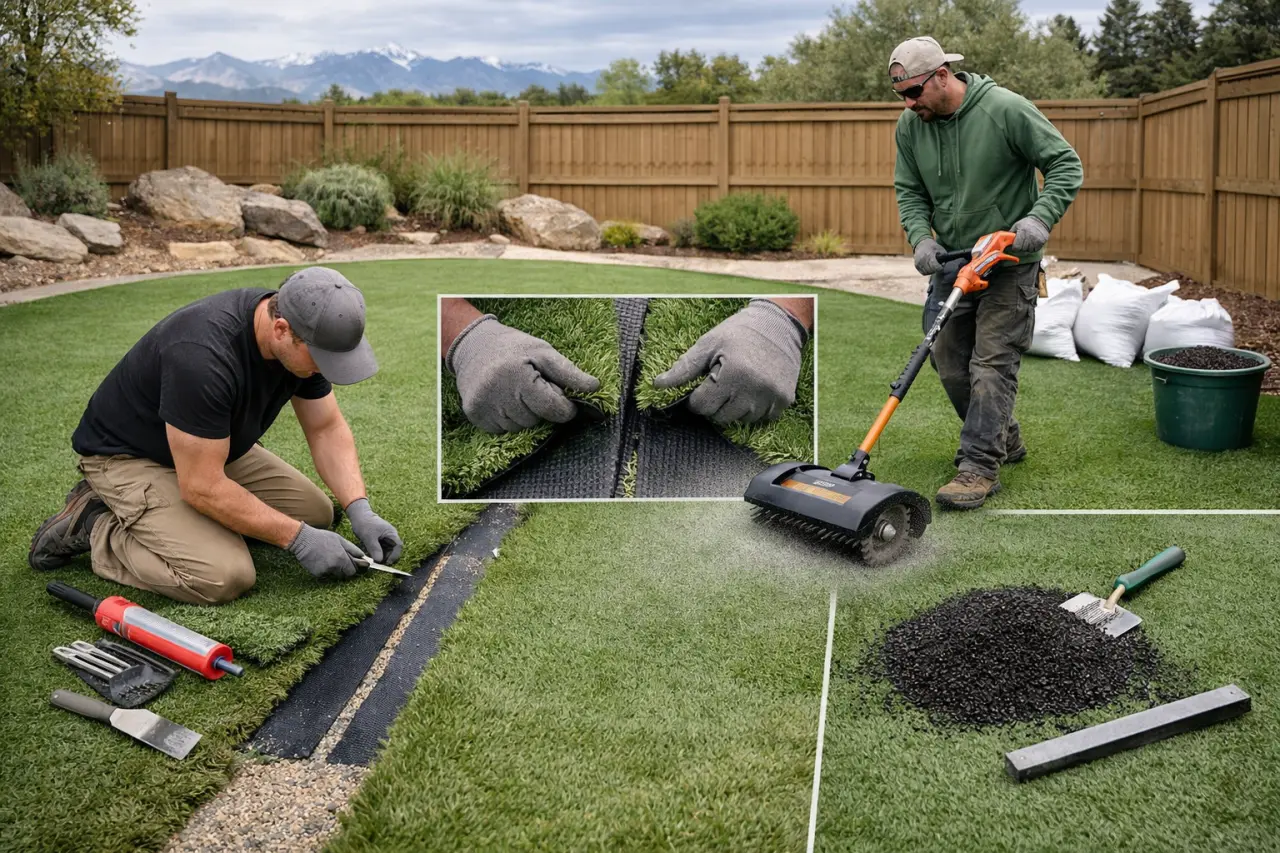
What Lakewood turf owners usually notice first
Artificial turf rarely fails all at once. In Lakewood, the first clues are usually small: a seam starting to lift, a thin spot where foot traffic has flattened the blades, or infill that has shifted after weather and use. City guidance for synthetic fields also emphasizes protecting the surface so it lasts longer, which is a good reminder that routine care matters whether the turf is in a yard or on a larger playing surface (City of Lakewood).
For homeowners and property managers, the goal is simple: catch damage early before a loose edge turns into a bigger repair.
Local companies that work with turf in and around Lakewood
If you’re looking for help in Lakewood, it’s useful to separate repair-focused maintenance from full installation companies that also service existing turf.
- Colorado Turf Guys lists Lakewood-specific artificial turf service and includes “turf maintenance and repair” in its Lakewood offering (Colorado Turf Guys).
- Turf Colorado LLC says it serves Lakewood as part of its Denver-metro coverage and also provides maintenance for turf and related landscape work (Turf Colorado LLC).
- SYNLawn Colorado has a Lakewood page covering artificial grass for residential lawns, pet turf, putting greens, commercial landscaping, and sports surfacing (SYNLawn Colorado).
- Colorado Artificial Turf maintains a Lakewood page and a Lakewood office listing, which is useful if you need a supplier or installer that can also address damaged sections (Colorado Artificial Turf).
- LEM Landscaping is listed for Lakewood with a section on “repair & restoration,” which can matter when the issue is more than a simple top-up of infill (Turf Install Pros).
That mix matters. Some jobs are better handled as a repair visit, while others need a broader restoration plan.
The main repair jobs worth asking about
Seam repair
Seams usually show up as raised lines or gaps between panels. They can open because of adhesive failure, edge movement, heat, or heavy use. On a practical level, seam repair is about re-bonding the material, aligning the backing, and making sure the surface lies flat again.
Patch replacement
If a pet run, fire pit area, or high-traffic path has damaged turf, patching may be the cleanest fix. A good patch blends pile direction and color as closely as possible so the repair does not stand out.
Infill replacement
When turf starts looking tired or matted, the problem may be infill loss, not just blade wear. Replenishing infill can improve bounce, help the blades stand upright, and make the surface feel more even underfoot.
Brushing and surface reset
Sometimes the turf itself is still in decent shape, but the fibers are lying down. Brushing and redistribution of infill can restore a more uniform look and slow down further compaction.
Drainage check
After a hard rain or snowmelt, pooling water can expose low spots or damaged base areas. If water does not move the way it used to, the repair may need to include the base below the turf, not just the surface layer.
How to judge whether a repair is enough
A small cosmetic issue does not always mean replacement. In Lakewood, it usually makes sense to repair when:
- the damage is limited to a seam, corner, or small area
- most of the turf still drains well
- the backing is intact
- the blades are worn but not brittle or badly faded
- the infill loss is localized rather than widespread
Replacement becomes more likely when large sections have separated, the base has shifted, or the surface has reached the end of its useful life. In those cases, a repair quote should explain whether the work is a patch, a partial restoration, or a larger rebuild.
Questions to ask before you hire
A short conversation can tell you a lot about whether a provider understands artificial turf repair or just general landscaping.
- Do you repair seams and patch damaged turf, or mainly install new turf?
- Will you inspect the base, drainage, and infill condition?
- Can you match the existing turf as closely as possible?
- How do you handle pet areas or high-traffic zones?
- What parts of the job are cosmetic, and what parts are structural?
Those questions are especially important for homes with dogs, play areas, or shaded spaces where moisture and wear can build up in different ways.
Lakewood conditions that make maintenance worthwhile
Lakewood turf deals with a mix of sun, freeze-thaw cycles, and regular seasonal use. That combination can stress adhesive seams, compact infill, and expose weak spots faster than owners expect. Turf Colorado LLC notes that it serves Lakewood and the wider metro area, and SYNLawn Colorado also positions its Lakewood turf offerings for residential, pet, commercial, and sports uses, which tells you the local market is used to different kinds of wear and repair needs (Turf Colorado LLC, SYNLawn Colorado).
For Lakewood property owners, the best repair strategy is usually the least dramatic one: fix the small problem early, keep the surface clean, and reserve full replacement for turf that has truly worn out.
Related articles
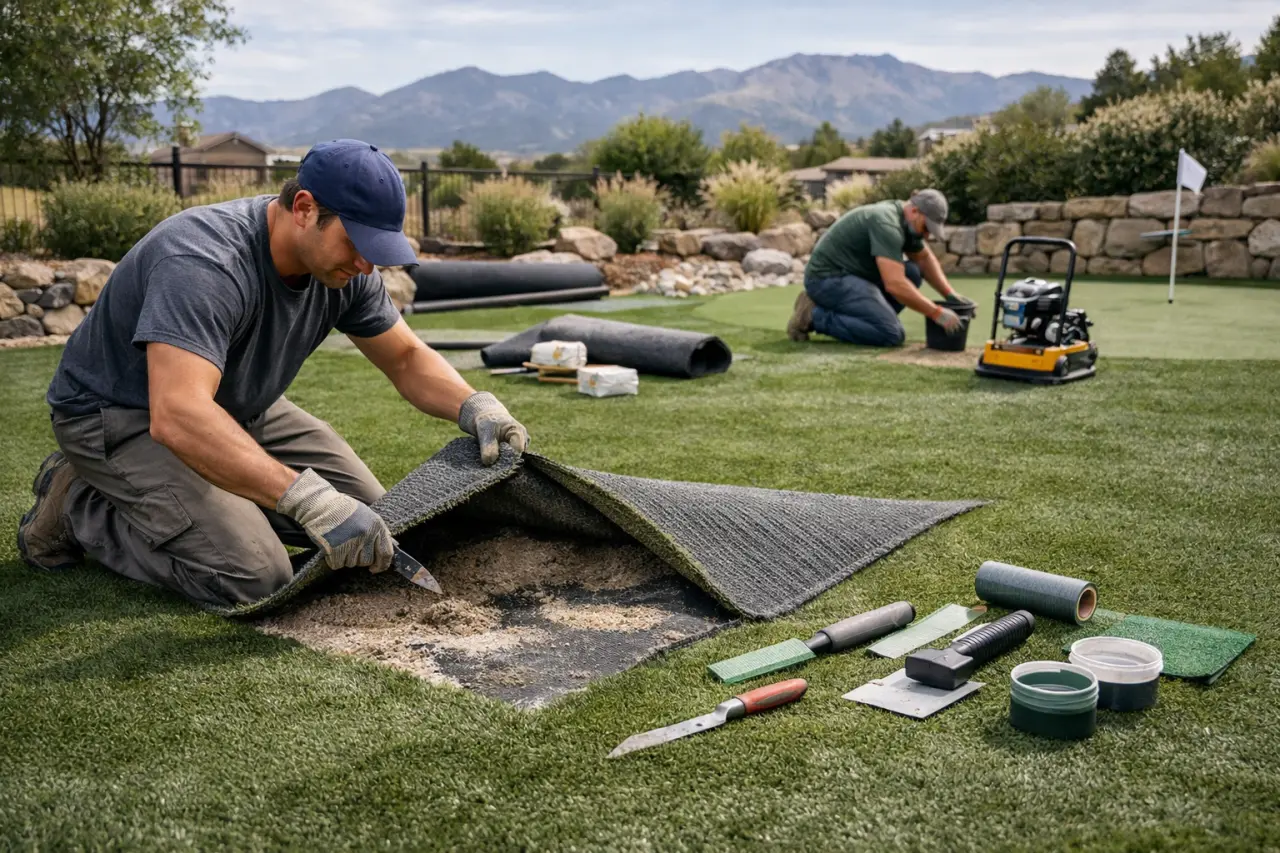
Colorado Springs Artificial Turf Repair: Beyond the Quick Patch
For Colorado Springs turf owners, small repairs can prevent bigger problems. Here’s how local companies approach seams, infill, and worn spots.
Editorial Team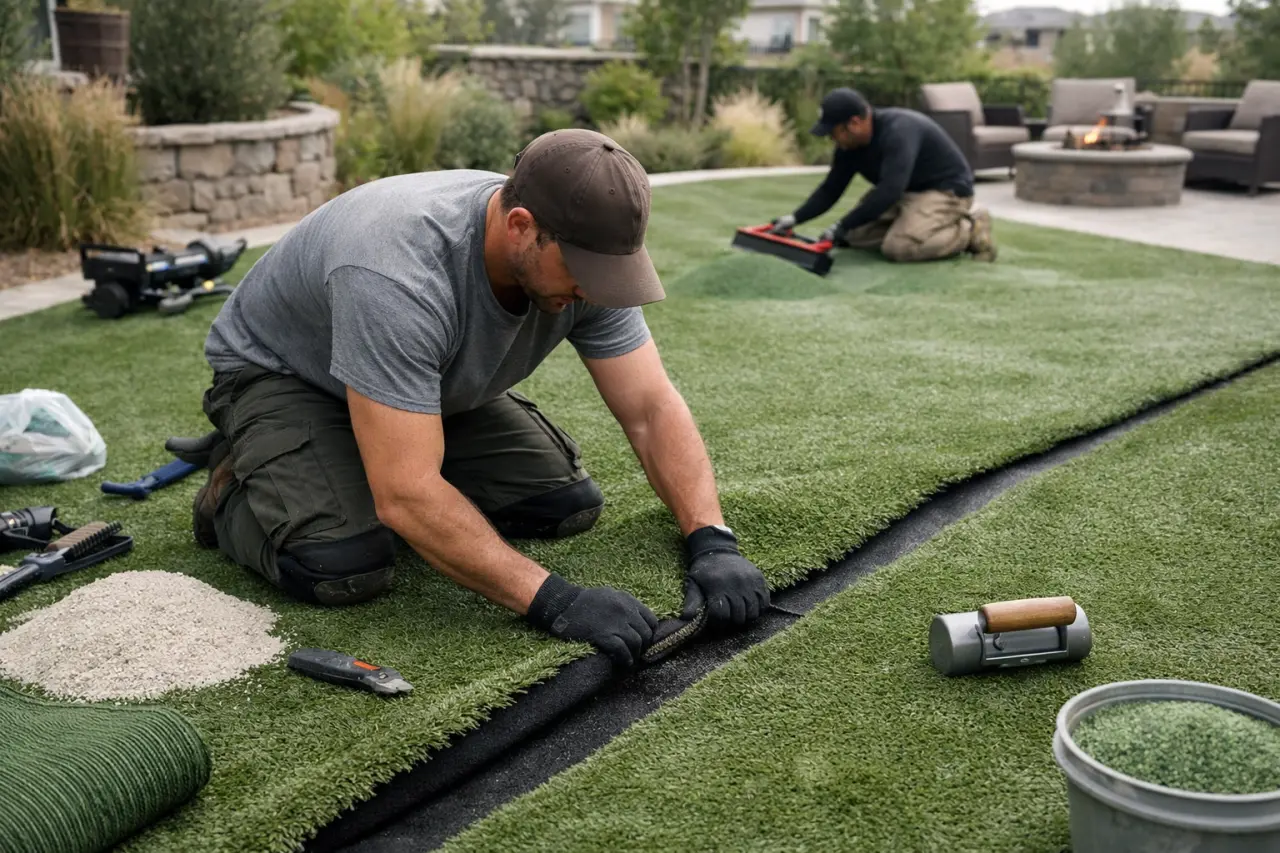
Denver Artificial Turf Repair for Seam, Infill, and Wear Fixes
Denver turf repair often starts with the small stuff: lifted seams, thin infill, and flattened fibers. Here’s how local providers approach those fixes.
Editorial Team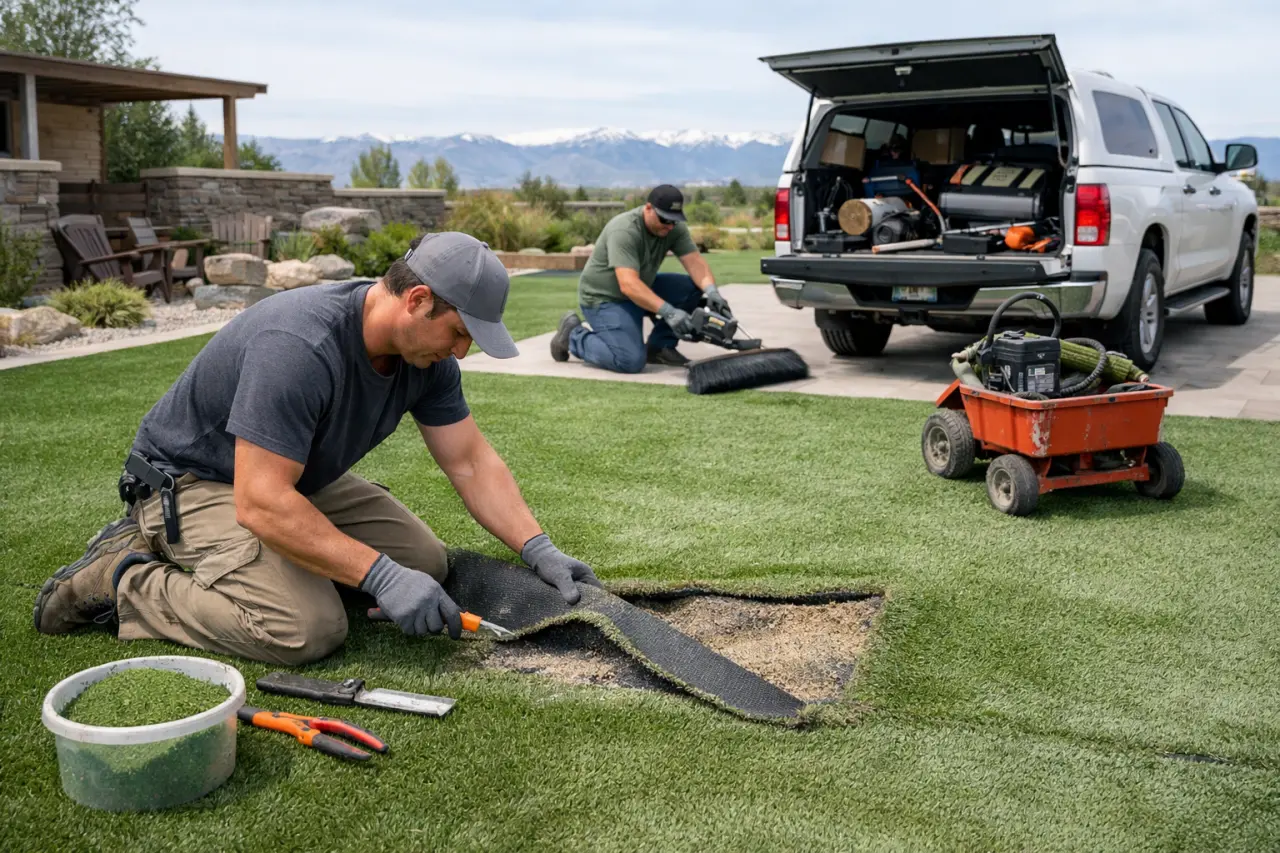
Lakewood Artificial Turf Repair: Keeping Surfaces Ready
In Lakewood, turf repair is often about catching small problems early. Here’s how local providers handle seams, worn spots, and maintenance.
Editorial Team