Seam Repair
Denver Seam Repair for Artificial Turf: Local Fixes That Last
Denver turf seams loosen for a reason: heat, drainage, traffic, and aging adhesive all play a part. Here’s how local crews approach repairs.
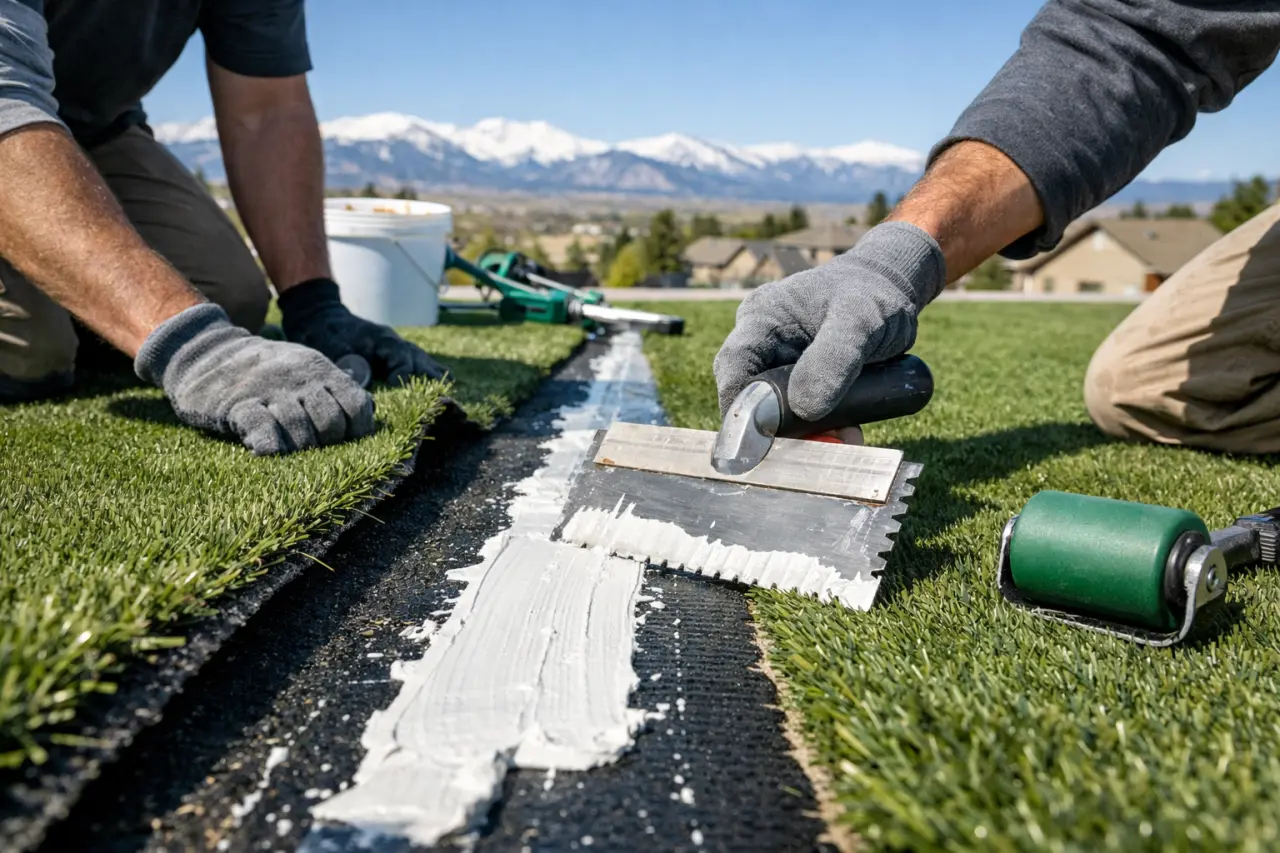
Why seam repair matters in Denver
A raised or split seam can change the way artificial turf looks and feels fast. In Denver, the problem often shows up after freeze-thaw swings, heavy foot traffic, or a patch that was never bonded quite right in the first place.
For homeowners, the issue is usually cosmetic at first: a visible line, a gap, or turf edges that start to curl. For commercial properties and putting greens, a weak seam can become a safety and maintenance problem if it catches shoes, traps debris, or lets the infill shift.
Local companies that work on turf seams
Denver has a solid mix of installers, suppliers, and maintenance companies that either handle seam repair directly or work with the materials and methods needed to do it well.
Timber Turf Works says its installation crew handles “precision cutting” and “seamless seaming” for residential and commercial turf in Denver and along the Front Range, which matters because repair work usually depends on the same careful seam layout and adhesion practices used during installation (Timber Turf Works).
Turf Revival Pros offers turf cleaning and restoration for Denver metro homeowners and says its putting green refresh service includes seam inspection, which is a useful sign if the seam issue is part of a broader maintenance problem rather than a single damaged edge (Turf Revival Pros).
SYNLawn Colorado serves Denver with residential and commercial synthetic turf, including putting greens and pet turf, and is a practical stop if you need a company that knows the product side of a seam repair project as well as the installation side (SYNLawn Colorado).
PlushGrass, Inc. lists a Denver location and focuses on custom synthetic turf, which can be helpful if a repair needs matched material or a conversation about replacing a worn section rather than trying to patch around it (PlushGrass).
Purchase Green’s Denver showroom carries seam tape, glue, and other installation materials, so it can be a resource for owners who are trying to understand what a proper seam repair calls for before they hire or tackle anything themselves (Purchase Green).
What a good seam repair usually involves
A decent seam repair is rarely just a matter of pressing the edges back together. The work normally starts with lifting the affected section, checking the backing, and finding out whether the problem is adhesive failure, movement in the base, or turf that was cut unevenly.
In practice, a careful repair often includes:
- cleaning out loose debris and old adhesive
- checking for base settling or drainage issues
- realigning the turf so the blades meet naturally
- applying seam tape or another approved bonding system
- reworking infill and brushing the fibers back up
That last step matters more than most people think. Even when the bond is sound, a poor finish can leave the seam visible long after the repair is done.
Questions Denver property owners should ask
Before you hire someone, ask how they handle the cause of the seam problem, not just the visible split. If the seam opened because the base shifted or water got under the turf, the fix should address that too.
A few smart questions:
- Do you repair seams only, or do you inspect for base or drainage issues too?
- Will you replace damaged seam tape, glue, or backing if needed?
- Can you match the existing turf type and pile direction?
- Do you work on putting greens, pet turf, or landscape turf specifically?
- How do you decide between repair and partial replacement?
The answers will tell you whether the company treats the seam as an isolated flaw or as part of the full surface system.
Denver conditions that can stress seams
Denver turf takes on a specific set of stressors. Sun exposure can dry and age adhesives. Winter weather can make a weak seam more obvious once the surface expands and contracts. And if the yard gets regular traffic from pets, kids, or patio furniture, the seam line can separate sooner than the rest of the surface.
That is why local experience matters. A crew familiar with Denver installations is more likely to recognize when a seam issue is really a symptom of something underneath, such as uneven compaction or poor water movement.
When repair is enough, and when it is not
A seam repair makes sense when the turf itself is still in good shape and the damage is limited to a small opening, lifted edge, or stressed joint. It may also be the right call if the surface is otherwise clean, level, and holding infill well.
Replacement starts to make more sense when:
- multiple seams are failing
- the backing is brittle or torn
- the turf has shrunk, warped, or separated across large areas
- the base has shifted enough that the seam will keep reopening
If you are unsure, a local installer or restoration company can usually tell you quickly whether the problem is minor maintenance or the start of a larger rebuild.
The bottom line for Denver
If you spot a seam problem early, Denver has several companies that can help keep it from spreading. The best results usually come from crews that understand both the turf material and the conditions that wear seams down over time.
For most property owners, the goal is simple: make the repair look invisible, keep the surface safe, and stop the same joint from opening again.
Related articles
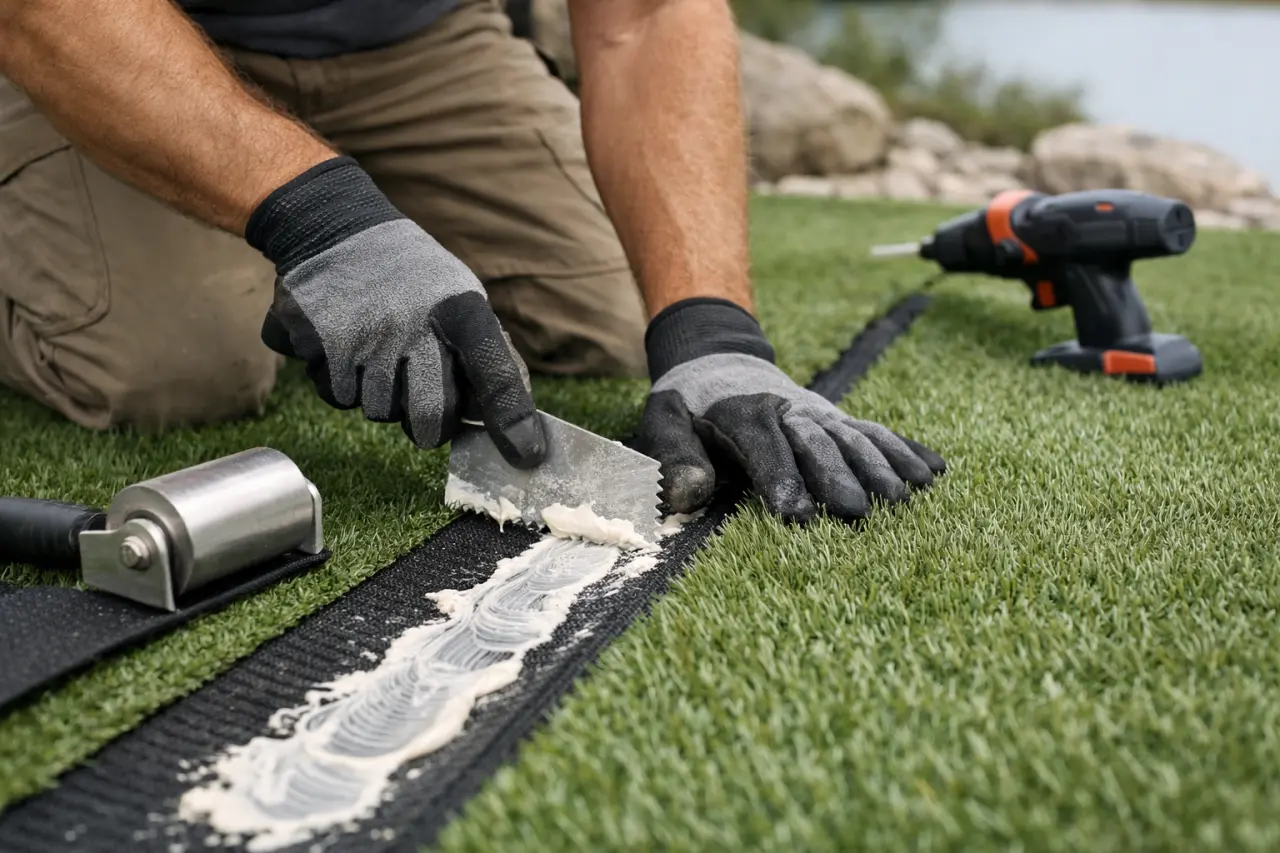
Lakewood Seam Repair for Artificial Turf: How to Spot Trouble
Seams are the first place synthetic grass shows wear. In Lakewood, a careful repair can keep turf looking even and performing well.
Editorial Team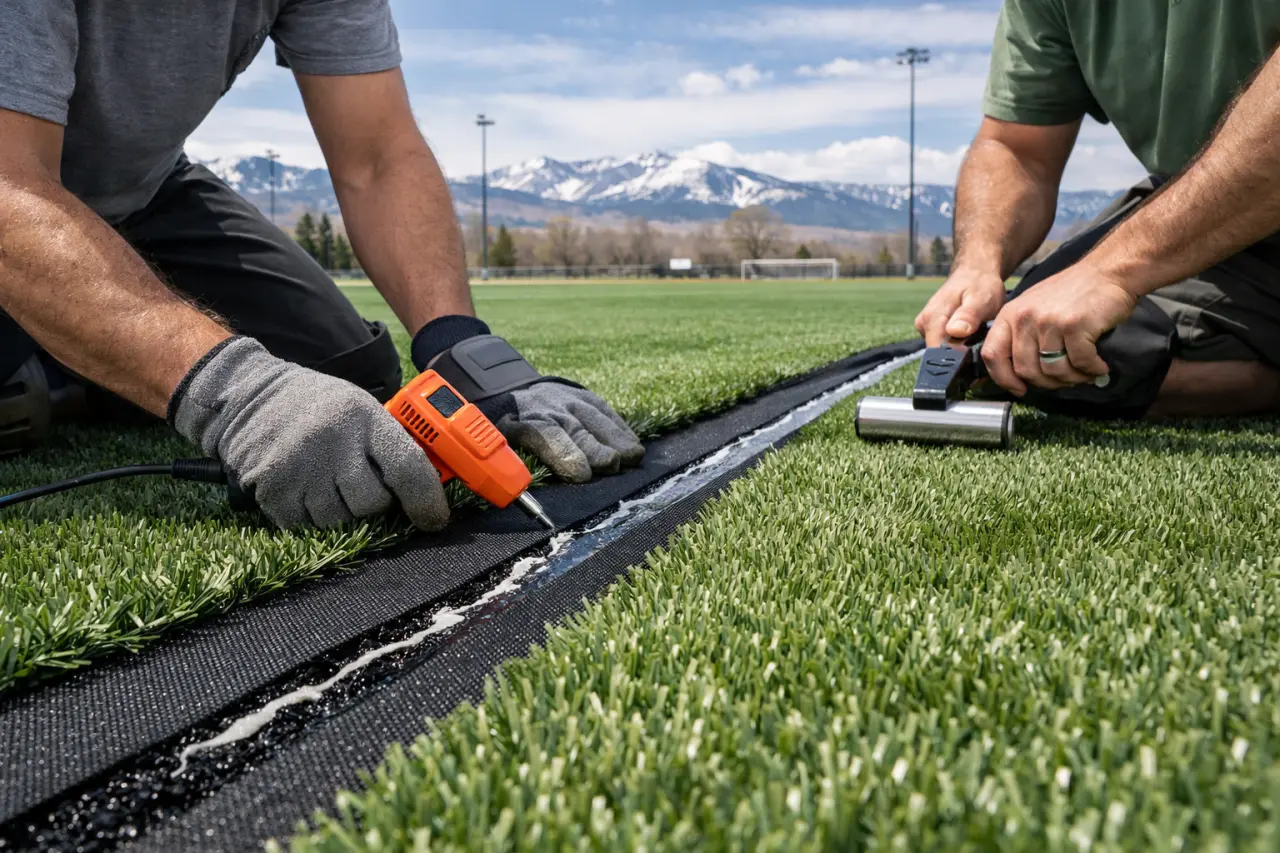
Fort Collins Seam Repair for Artificial Turf: Practical Help
Fort Collins turf seams can lift, gap, or split over time. Here’s how local providers approach repairs and what to ask before you book.
Editorial Team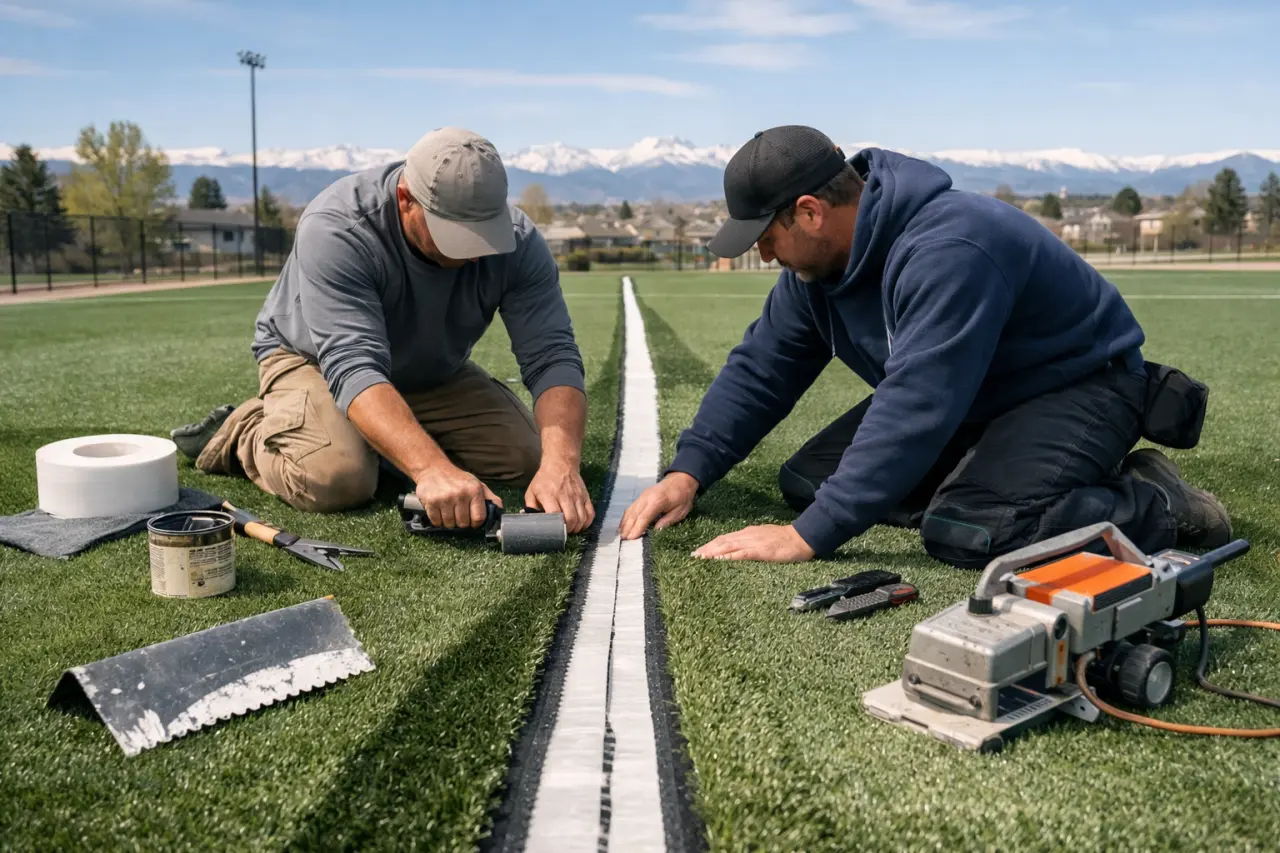
Aurora Seam Repair for Artificial Turf: Who Handles It
Aurora homeowners dealing with lifted turf seams have a few local options. Here’s how to compare repair and restoration providers before the gap spreads.
Editorial Team