Seam Repair
Denver Seam Repair for Artificial Turf: What to Know
Denver turf seams can lift, split, or show after weather and heavy use. Here’s how local pros approach repair, cleanup, and prevention.
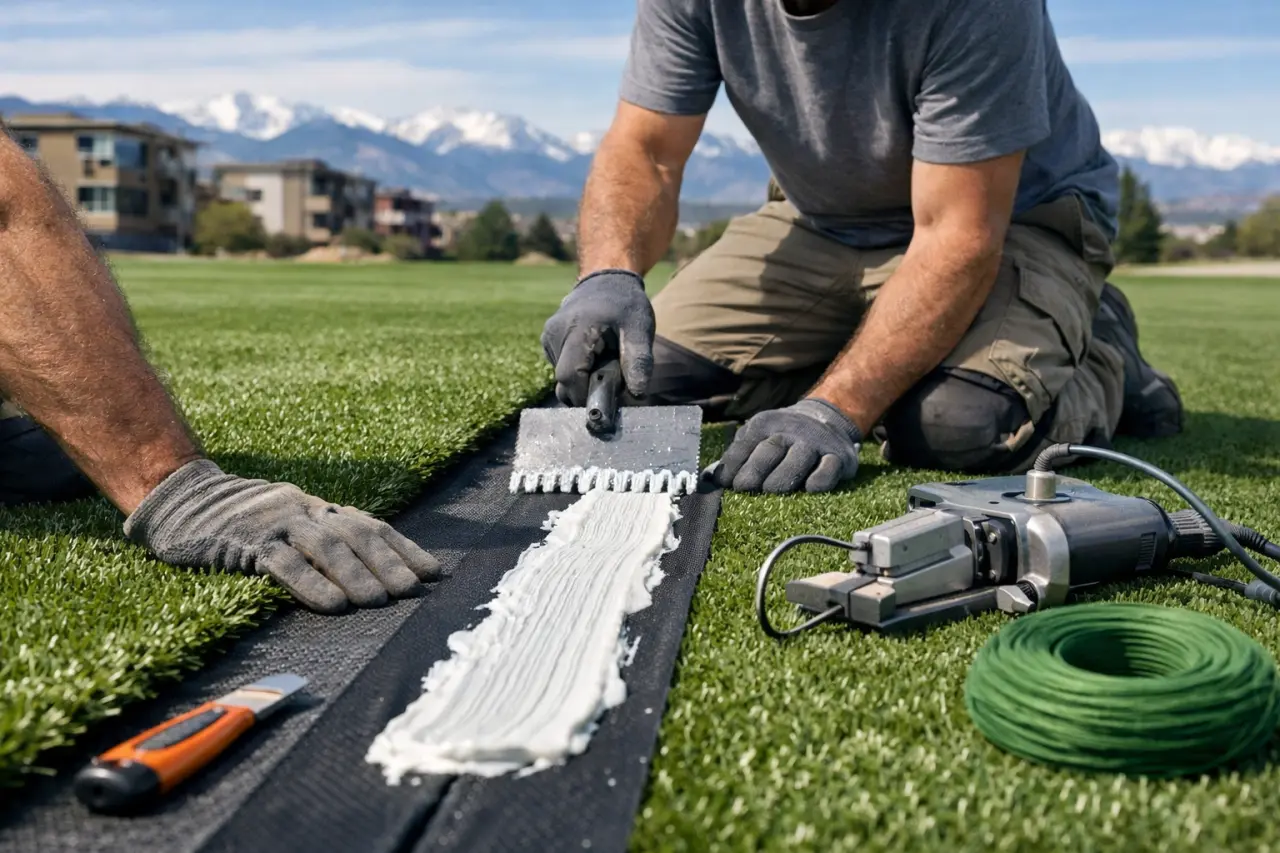
When a turf seam starts to show
In Denver, seam issues often show up first where turf gets the most traffic: along walkways, around patio edges, and on putting greens. A lifted seam can catch shoes, collect debris, and make a good installation look tired long before the rest of the surface does.
The fix is usually more than a quick touch-up. Good seam repair depends on opening the joint cleanly, resetting the backing, using the right adhesive or tape, and blending the repair so the blade direction and infill still look even.
Denver companies that work with turf seams
A few local names stand out when you start looking for help with synthetic grass repair and maintenance in Denver.
Mile High Turfscape says it handles synthetic turf design, installation, maintenance, and repair, and it specifically serves the Denver metro area. That combination matters when a seam problem is tied to the original build rather than simple wear. (Mile High Turfscape)
Turf Revival Pros focuses on artificial turf cleaning and restoration for Denver metro homeowners, and its service list includes seam inspection as part of putting green refresh work. That makes it a practical option when a seam issue is paired with matting, debris buildup, or odor cleanup. (Turf Revival Pros)
Timber Turf Works describes its crew as handling precision cutting and “seamless seaming” for artificial turf installation in Denver. If a seam needs a more structural reset, an installer-oriented company like this may be useful because repair quality often depends on how the original seam was built. (Timber Turf Works)
Frontier Turf says it serves the Denver metro and the Front Range with artificial turf installation and landscape work. While the company is broader than repair alone, its emphasis on workmanship and turf installation suggests it may be a fit when seam failure is part of a larger turf replacement or redo. (Frontier Turf)
What a seam repair visit should address
A solid repair conversation should cover the problem itself, not just the visible gap.
Common seam problems
- Raised edges where the backing is no longer lying flat
- Open joints that reveal the tape or sub-base
- Loose transitions between two turf panels
- Wrinkles or buckling from heat, settling, or poor anchoring
- Frayed backing where a seam has been stressed for too long
On a Denver property, it also helps to ask whether freeze-thaw cycles, drainage, or edge restraint failure contributed to the damage. If the underlying issue is not corrected, the seam may open again.
Questions to ask before you book
A quick phone call can tell you a lot about whether a provider understands seam work or is just offering general lawn care.
Ask:
- Do you repair seams, or only install full turf?
- Will you inspect the base and drainage before fixing the seam?
- What materials do you use for seam tape and adhesive?
- Can you match the existing pile direction and infill level?
- Is the repair meant for a single joint, or does the whole section need re-seaming?
Those questions matter because seam repair is partly craftsmanship and partly diagnosis. A company that can explain why the seam failed is usually better positioned to keep it from failing again.
When repair is enough, and when replacement makes more sense
Repair usually makes sense when the turf is still in good shape overall and the damage is limited to a few seams. If the backing is breaking down, the field has multiple lifted joints, or the surface has repeated problems after prior fixes, replacement may be the better long-term move.
A provider that also handles installation can be helpful here, because the same crew can tell you whether the seam is the real problem or just the symptom.
A practical Denver homeowner approach
If you want the shortest path to a clean result, start with a company that either works directly with repair or has enough installation experience to understand how seams fail. In Denver, that points many homeowners toward specialists like Mile High Turfscape, Timber Turf Works, and Turf Revival Pros, with Frontier Turf as another option when the project is larger than one joint. (Mile High Turfscape) (Timber Turf Works) (Turf Revival Pros) (Frontier Turf)
For seam repairs, the best outcome usually comes from a careful reset rather than a cosmetic patch. In other words: the goal is not just to hide the line, but to restore the structure underneath it.
Related articles
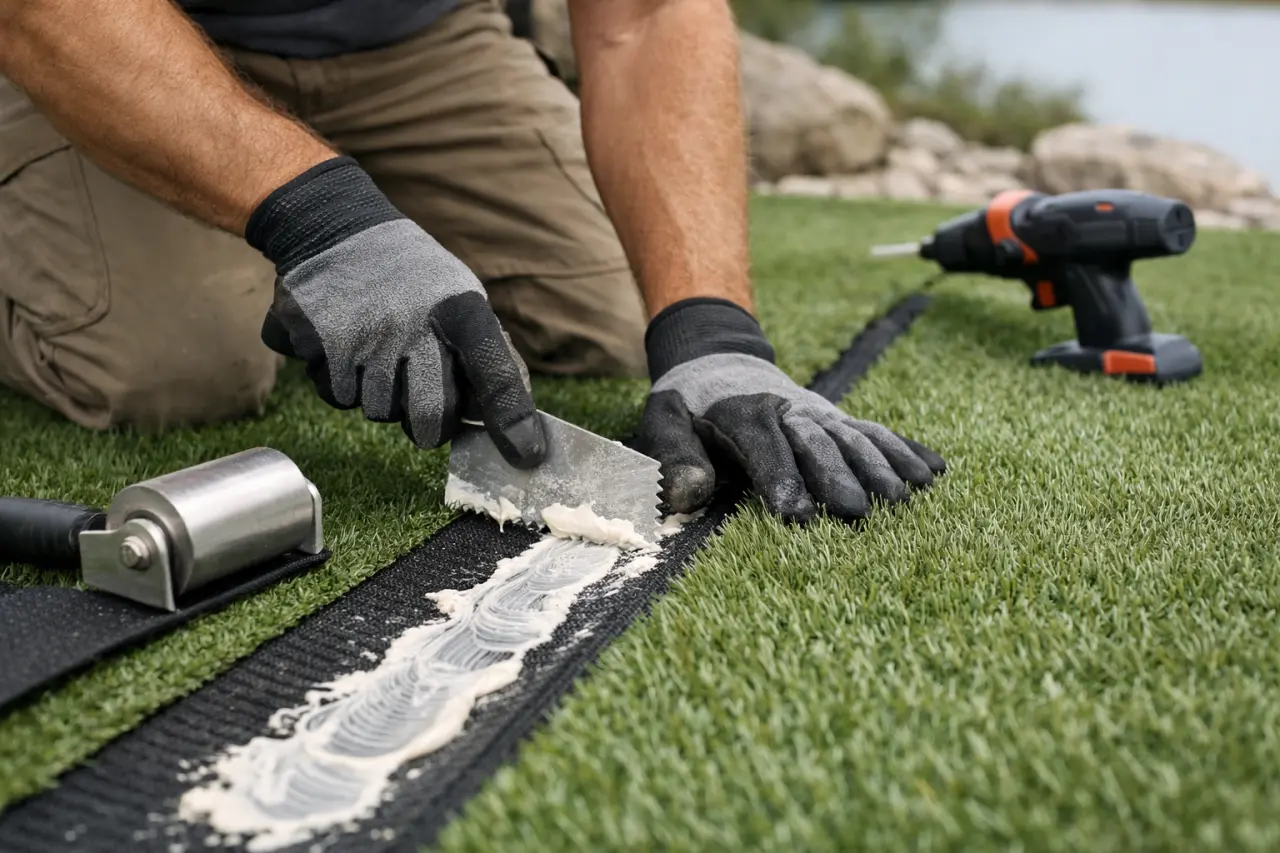
Lakewood Seam Repair for Artificial Turf: How to Spot Trouble
Seams are the first place synthetic grass shows wear. In Lakewood, a careful repair can keep turf looking even and performing well.
Editorial Team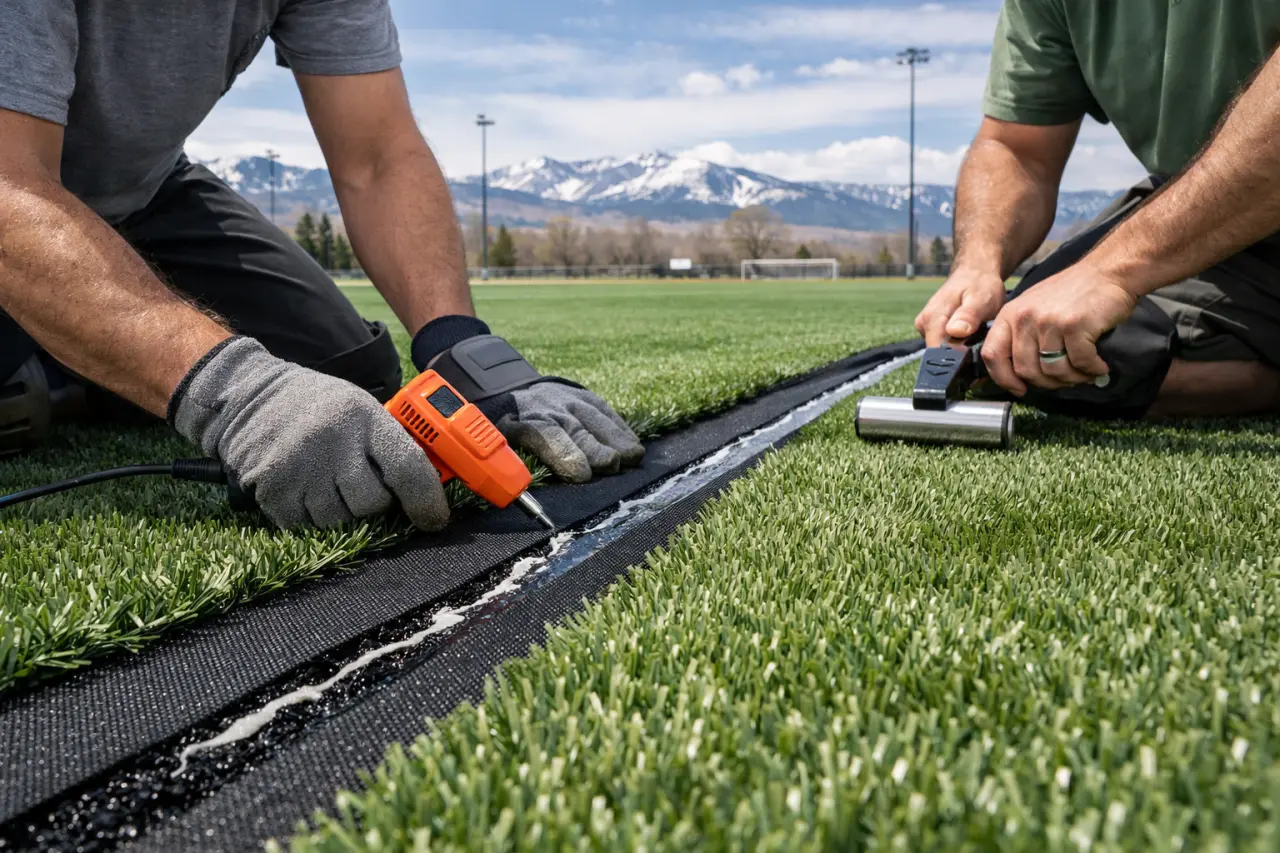
Fort Collins Seam Repair for Artificial Turf: Practical Help
Fort Collins turf seams can lift, gap, or split over time. Here’s how local providers approach repairs and what to ask before you book.
Editorial Team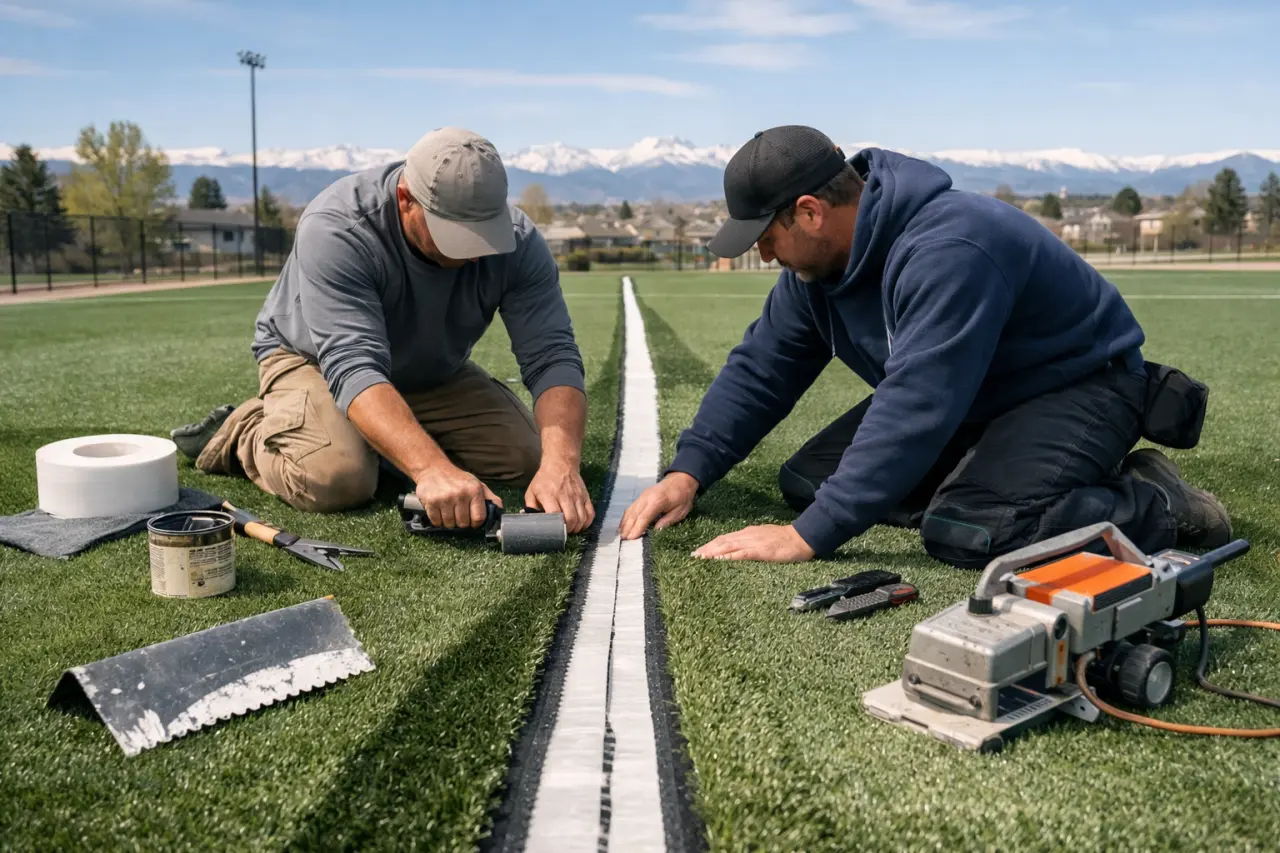
Aurora Seam Repair for Artificial Turf: Who Handles It
Aurora homeowners dealing with lifted turf seams have a few local options. Here’s how to compare repair and restoration providers before the gap spreads.
Editorial Team