Seam Repair
Lakewood Seam Repair for Artificial Turf: Local Options
Seam gaps and lifted edges can make turf look worn fast. Lakewood property owners can compare local repair-focused turf crews and know what to ask first.
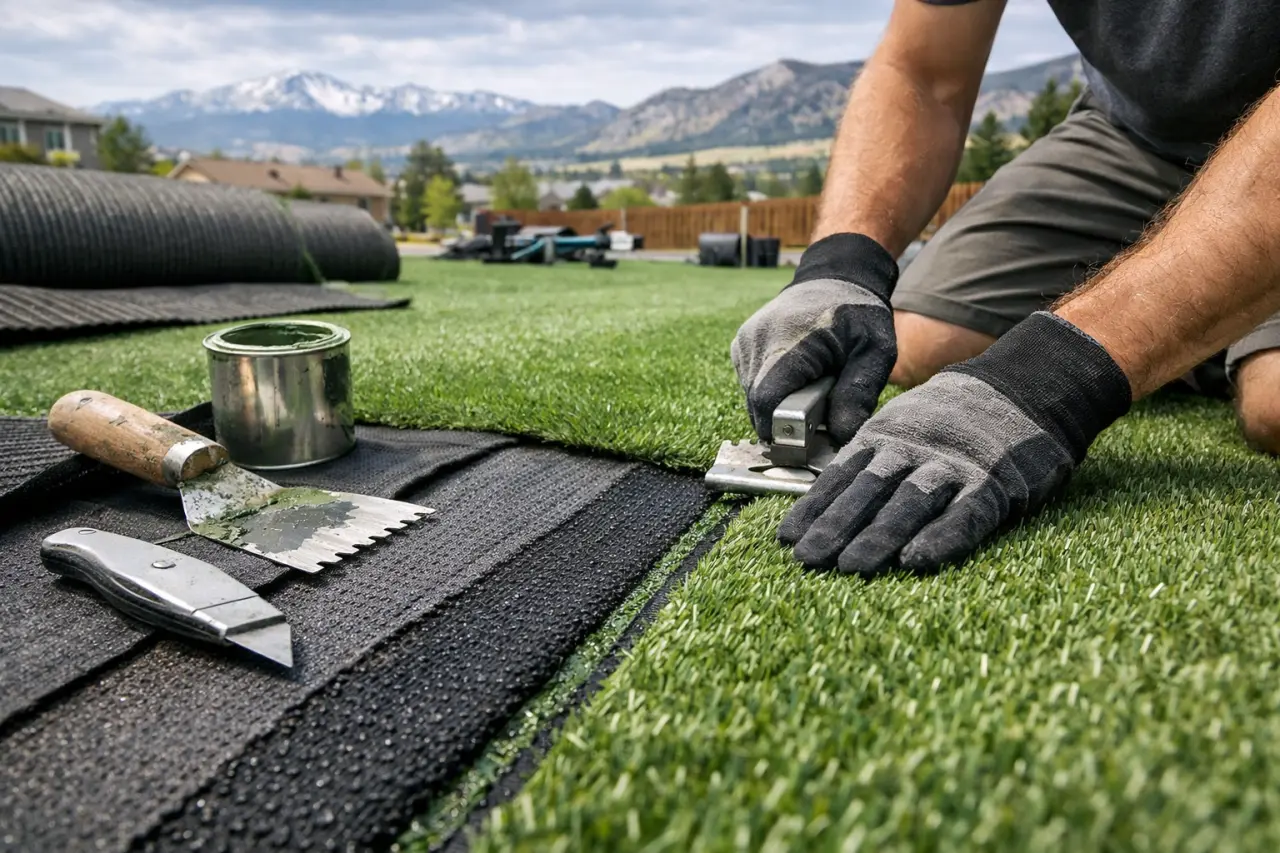
Seam repair matters more than most turf owners expect
In Lakewood, synthetic grass usually fails at the seams before it fails everywhere else. Edges can separate, curl, or show a ridge after heavy use, freeze-thaw swings, drainage problems, or a rushed install. If the seam is opening up, the surface can look patchy and start trapping debris where the backing lifts.
That is why a seam repair conversation is different from a general turf-cleaning call. You want a crew that can inspect the backing, re-bond the joint, reset the infill, and make the repair blend into the rest of the installation.
Lakewood companies worth asking about
A few turf-focused businesses show Lakewood coverage and repair-oriented service language that makes them relevant when a seam starts to fail.
Colorado Turf Guys lists Lakewood service and specifically mentions turf maintenance and repair for synthetic lawns. Their Lakewood page is a useful starting point if you want one company that treats repair as part of ongoing turf care rather than a one-off add-on (Colorado Turf Guys).
SYNLawn Colorado has a Lakewood page for artificial grass and positions itself around artificial turf solutions for local property owners. If your seam issue is tied to an older installation, a manufacturer-affiliated team can be helpful because they are usually familiar with product lines, backing types, and replacement materials (SYNLawn Colorado).
Mile High Synthetic Turf lists Lakewood contact information and focuses on artificial grass installations in Colorado. Their site does not advertise seam repair as a standalone specialty on the page I found, but their local presence makes them worth asking if they can inspect and restore a seam during a larger turf service visit (Mile High Synthetic Turf).
LEM Landscaping appears in a Lakewood contractor profile that includes repairs and maintenance under common artificial turf services. Because the profile is repair-oriented, it is a logical contact when you want a local estimate on lifting and re-seaming a problem area (Turf Install Pros: LEM Landscaping).
What good seam repair usually includes
A seam repair is not just gluing two edges together. In a well-done fix, the crew should inspect how the turf was originally fastened, whether the seam tape has failed, and whether the backing has stretched or shrunk.
Common steps in a proper repair
- Lift the affected section carefully
- Clean out old adhesive, debris, and loose infill
- Realign the turf so the grain runs consistently
- Replace or reset seam tape and adhesive
- Re-secure the edges
- Brush and refill the repaired area so it matches the surrounding surface
That last step matters. A seam can be technically repaired but still look obvious if the pile is flattened or the infill level is off.
Signs Lakewood homeowners should not ignore
A seam problem often starts small. The earlier it is addressed, the less likely it is that the repair will spread.
Watch for:
- A visible line across the turf
- Raised or curled edges
- Wrinkling near a seam after rain or snowmelt
- Loose infill collecting in the gap
- Uneven bounce or a soft spot along the joint
- Fraying where the backing is starting to break down
If you can already see daylight through the joint, the repair may need more than a surface touch-up.
Questions to ask before you book
For Lakewood seam repair, it helps to ask straightforward questions up front:
- Do you handle seam repair directly, or only full replacement?
- Will you inspect the base and drainage where the seam opened?
- Can you match the existing turf type and backing?
- Do you reuse the current turf, or recommend a partial replacement?
- How do you make the repaired seam blend in after the work is done?
Those questions separate a general landscaper from a turf crew that understands how synthetic grass is assembled.
A practical Lakewood approach
If the seam is the only problem, repair is usually the first thing to try. If the turf is older, buckled, or waterlogged underneath, the better move may be a more complete restoration. The businesses above give Lakewood owners a short list to start with, whether the goal is a targeted seam fix or a broader inspection of the whole surface.
The best result is simple: the seam disappears into the lawn again, and the turf feels stable underfoot instead of patchy at the joints.
Related articles
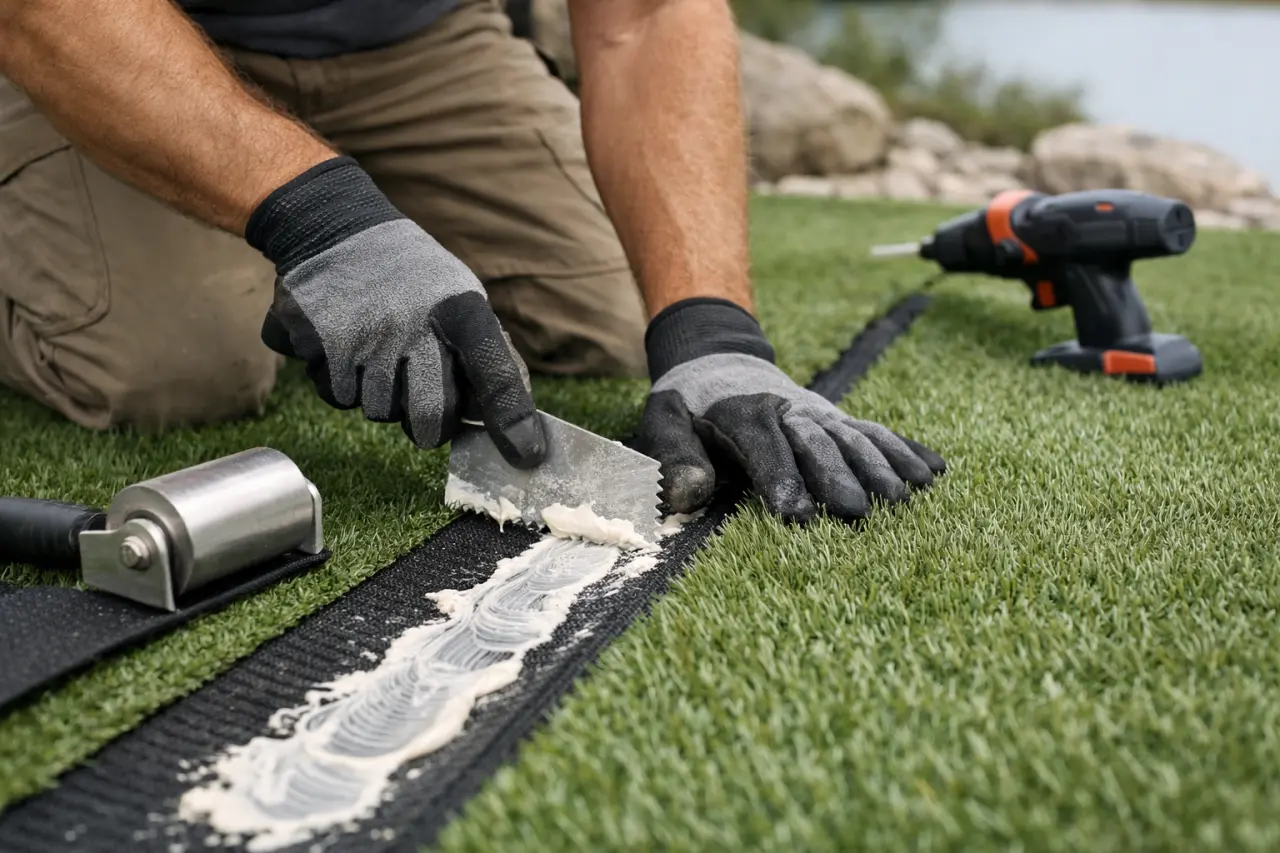
Lakewood Seam Repair for Artificial Turf: How to Spot Trouble
Seams are the first place synthetic grass shows wear. In Lakewood, a careful repair can keep turf looking even and performing well.
Editorial Team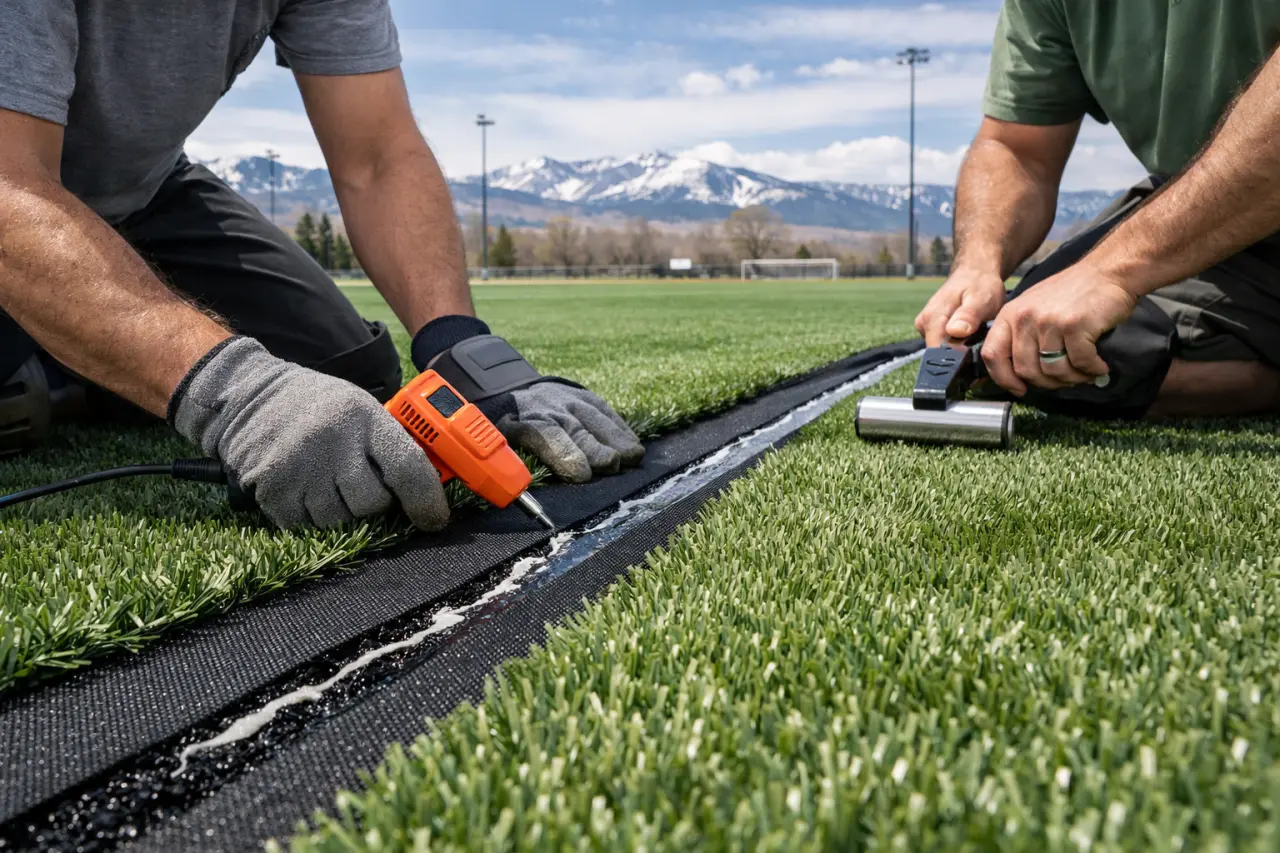
Fort Collins Seam Repair for Artificial Turf: Practical Help
Fort Collins turf seams can lift, gap, or split over time. Here’s how local providers approach repairs and what to ask before you book.
Editorial Team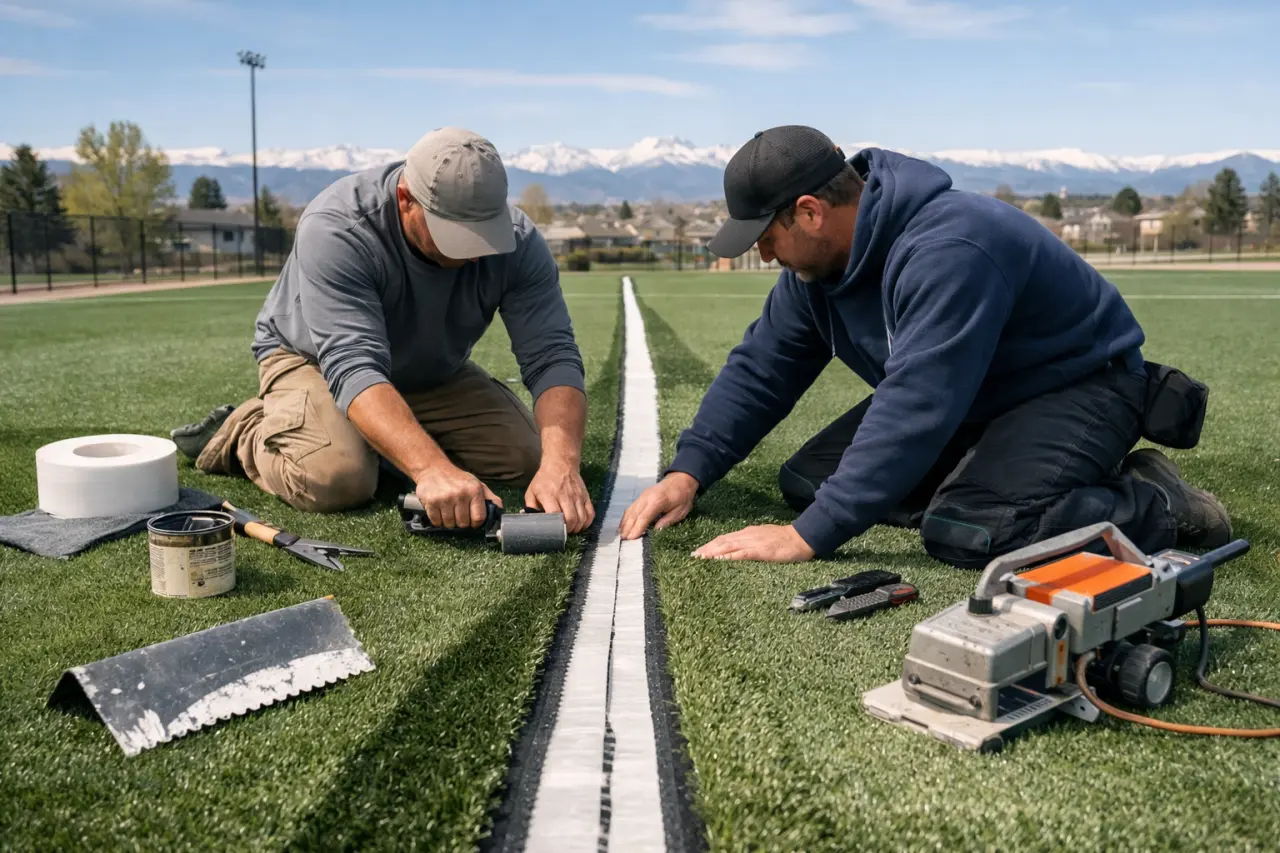
Aurora Seam Repair for Artificial Turf: Who Handles It
Aurora homeowners dealing with lifted turf seams have a few local options. Here’s how to compare repair and restoration providers before the gap spreads.
Editorial Team