Sports Turf
Fort Collins Sports Turf Services: Choosing a Field-Ready Partner
Need sports turf work in Fort Collins? Here’s how local installers approach fields, training spaces, drainage, and upkeep for safer play.
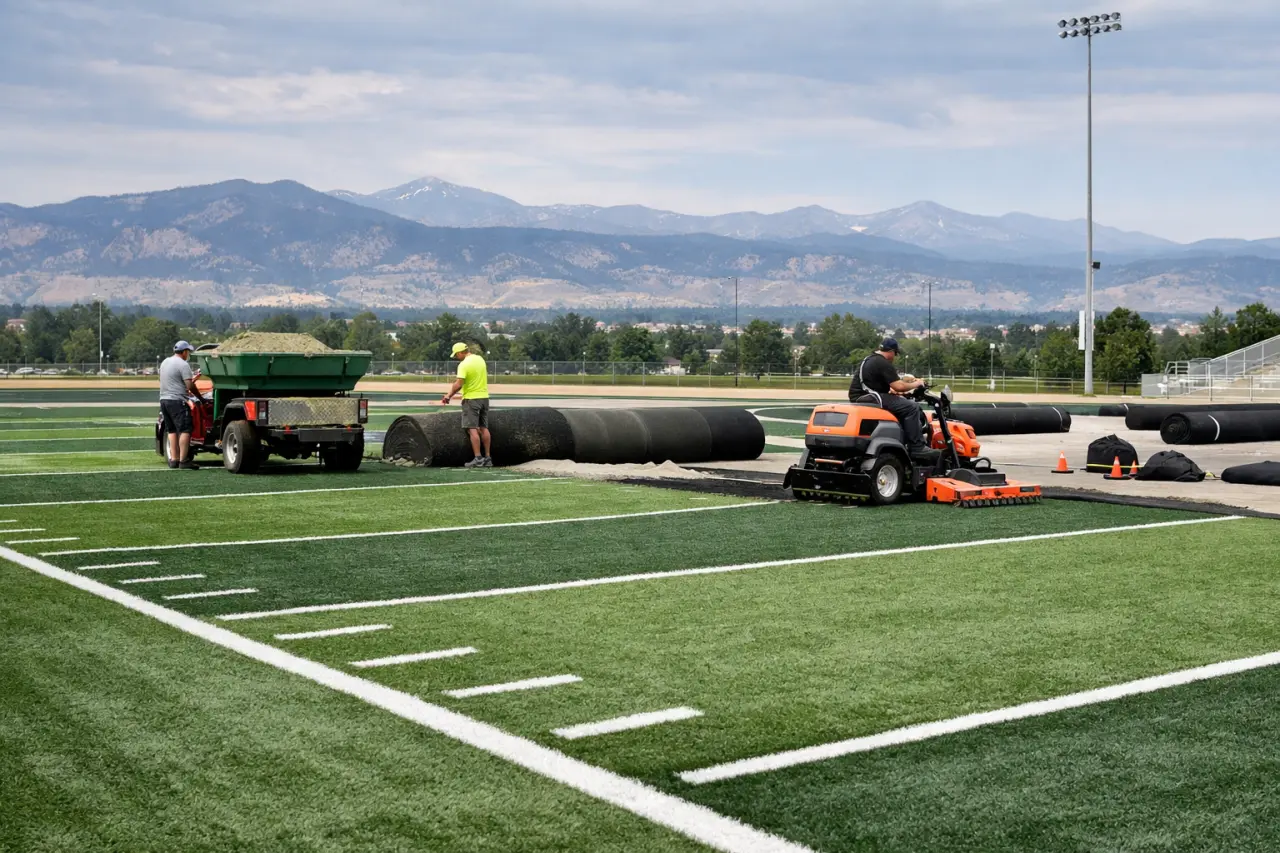
What Fort Collins property owners should look for
In Fort Collins, sports turf projects usually start with a practical question: what kind of play will the surface need to handle? A backyard training lane, a school practice area, and a small athletic field all call for different turf systems, base prep, drainage, and infill choices. Local providers often frame their work around those use cases rather than around one one-size-fits-all product (Coyote Sports Turf; Waterloo Turf).
That matters here because the city also treats turf fields as active public assets. Fort Collins Parks posts field reservations and rules for turf sports, and its 2025 sports field policies note that teams must follow field closure directions and handle equipment appropriately on designated turf sports areas (City of Fort Collins; City of Fort Collins).
Local providers serving Fort Collins
A few names stand out for Fort Collins sports turf work:
- Coyote Sports Turf says it builds and installs sports field artificial turf for schools, parks, and athletic facilities in Fort Collins (Coyote Sports Turf).
- Waterloo Turf offers sports and playground turf installation in Fort Collins and describes the work as suited for backyard training zones, gym surfaces, and school fields (Waterloo Turf).
- Collins Turf describes itself as a synthetic turf installation company and supplier, and specifically lists sports fields among its offerings (Collins Turf).
- Fort Collins Turf says it is locally owned and operated in Fort Collins and highlights premium synthetic turf solutions, including installations that the company says have earned manufacturer recognition (Fort Collins Turf; Fort Collins Turf; Synthetic Grass Warehouse).
- Southern Turf has a Fort Collins artificial grass installation page and says its turf is designed for Colorado weather conditions, including hot summers and freezing temperatures (Southern Turf).
For Fort Collins buyers, the useful comparison is not just price. It is whether the company talks in detail about base work, drainage, field markings, shock absorption, and the wear pattern of the sport you are planning for.
Ask about the surface below the surface
Good sports turf is more than the blades on top. The part you do not see often decides whether the field stays playable after repeated use.
When you talk with an installer, ask how they handle:
- Drainage: important for keeping a field usable after rain and snowmelt.
- Base preparation: the aggregate layer beneath the turf affects bounce, stability, and long-term performance.
- Infill and cushioning: these influence how the surface feels underfoot and how it responds to hard play.
- Seaming and field lines: especially important for soccer, football, lacrosse, and multi-use athletic spaces.
- Edge detailing and transitions: helpful on training areas and school campuses where players move on and off the turf often.
Those questions apply whether you are building a private training pad or a larger field. Fort Collins’ own planning materials also reflect the city’s interest in careful turf design and maintenance, including discussion of installation quality, sanitation, cooling, and microplastic concerns around synthetic turf use (City of Fort Collins; City of Fort Collins).
Match the turf to the sport
Different sports stress turf in different ways. A soccer surface needs consistent roll and footing. Football fields need to hold up under repeated cuts and contact. Baseball training areas may need different layouts for batting cages, bullpen space, or warmup lanes. Multi-use fields have to balance all of that at once.
That is why local installers often describe sports turf as a system for schools, parks, athletic facilities, or training spaces rather than as a decorative landscape product (Coyote Sports Turf; Waterloo Turf). If you are comparing bids, ask each company how it has handled the sport you care about most.
Questions worth asking before you sign
- How long have you installed sports turf, not just landscape turf?
- What base and drainage approach do you recommend for the site?
- Can you support field markings or multi-sport layouts?
- What maintenance will the surface need after installation?
- How do you handle repairs if seams, infill, or high-traffic spots wear early?
Fort Collins conditions change the brief
Fort Collins is not a place where you can ignore heat, freeze-thaw cycles, or water use. One local reason synthetic turf gets attention is that it can reduce irrigation needs, while city materials also discuss the tradeoffs, including heat buildup and long-term maintenance considerations (City of Fort Collins; City of Fort Collins).
That makes product selection especially important. A field that looks fine on day one can become uncomfortable or uneven if the base, drainage, or turf spec does not fit local conditions. A good Fort Collins installer should be able to explain how its system handles seasonal swings and high-use periods.
A practical way to narrow the field
If you are choosing among Fort Collins providers, start by comparing the projects they actually talk about. A company that focuses on school and park fields may be the better fit for a large practice area. A firm that spends more time on training zones or backyard athletic surfaces may suit a private facility better (Coyote Sports Turf; Waterloo Turf; Collins Turf).
The best conversation is simple: describe the sport, the number of users, and how often the surface will be in play. Then ask the installer to map the turf system to that reality. In Fort Collins, the right answer usually comes from the details below the turf as much as the turf itself.
Related articles
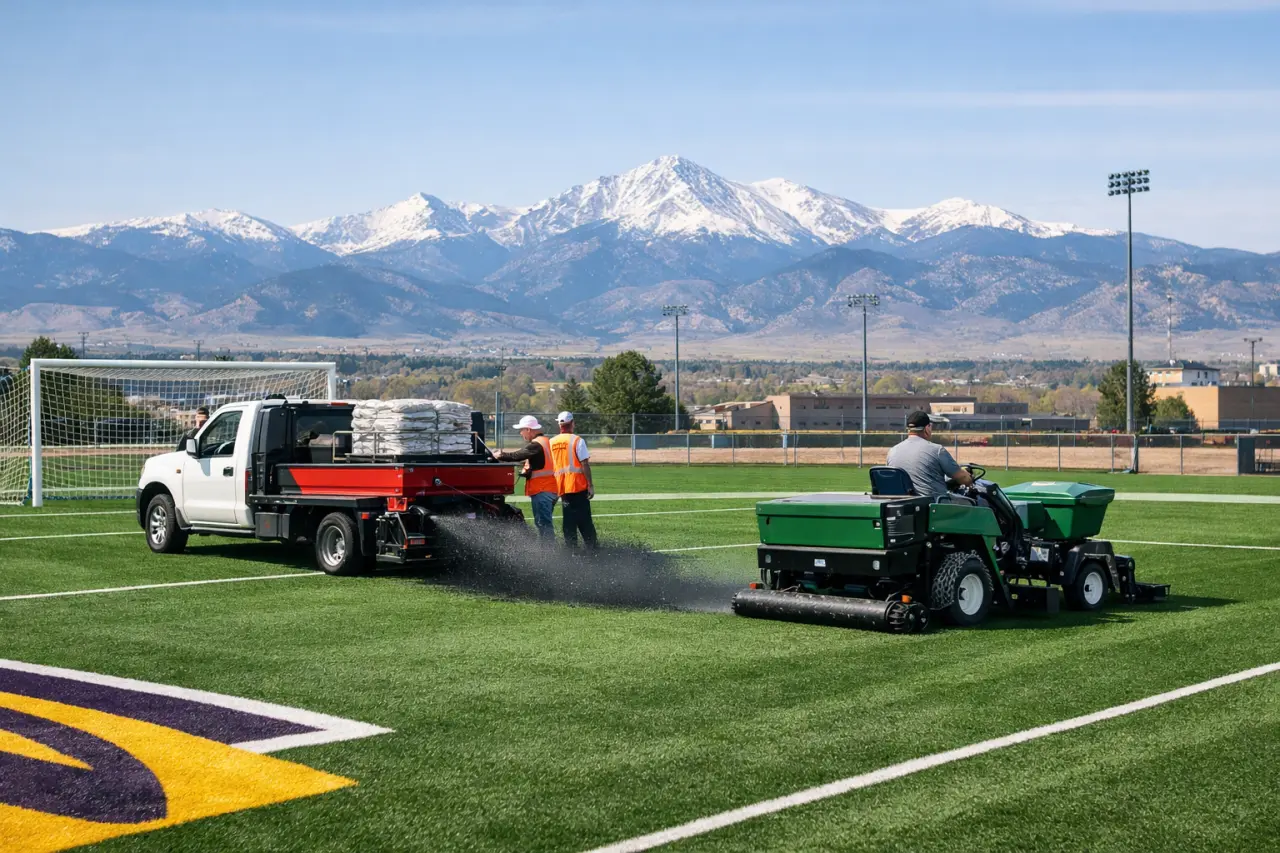
Aurora Sports Turf Services for Field-Ready Artificial Grass
Aurora field owners looking at artificial turf need more than a pretty surface. The right install balances drainage, seams, infill, and long-term play.
Editorial Team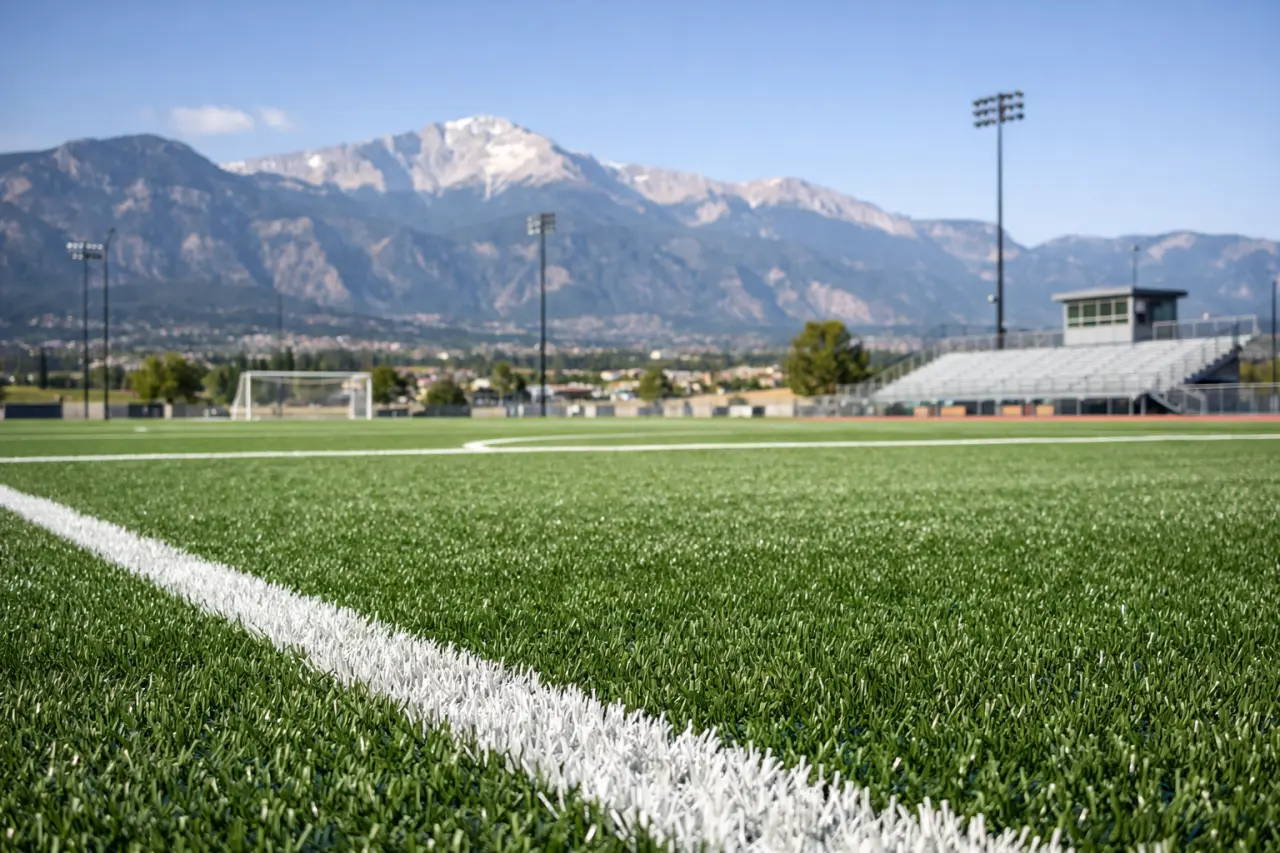
Colorado Springs Artificial Turf Services for Sports Fields
Colorado Springs teams and facilities need turf that drains well, plays evenly, and stands up to heavy use. A few local installers are built for that job.
Editorial Team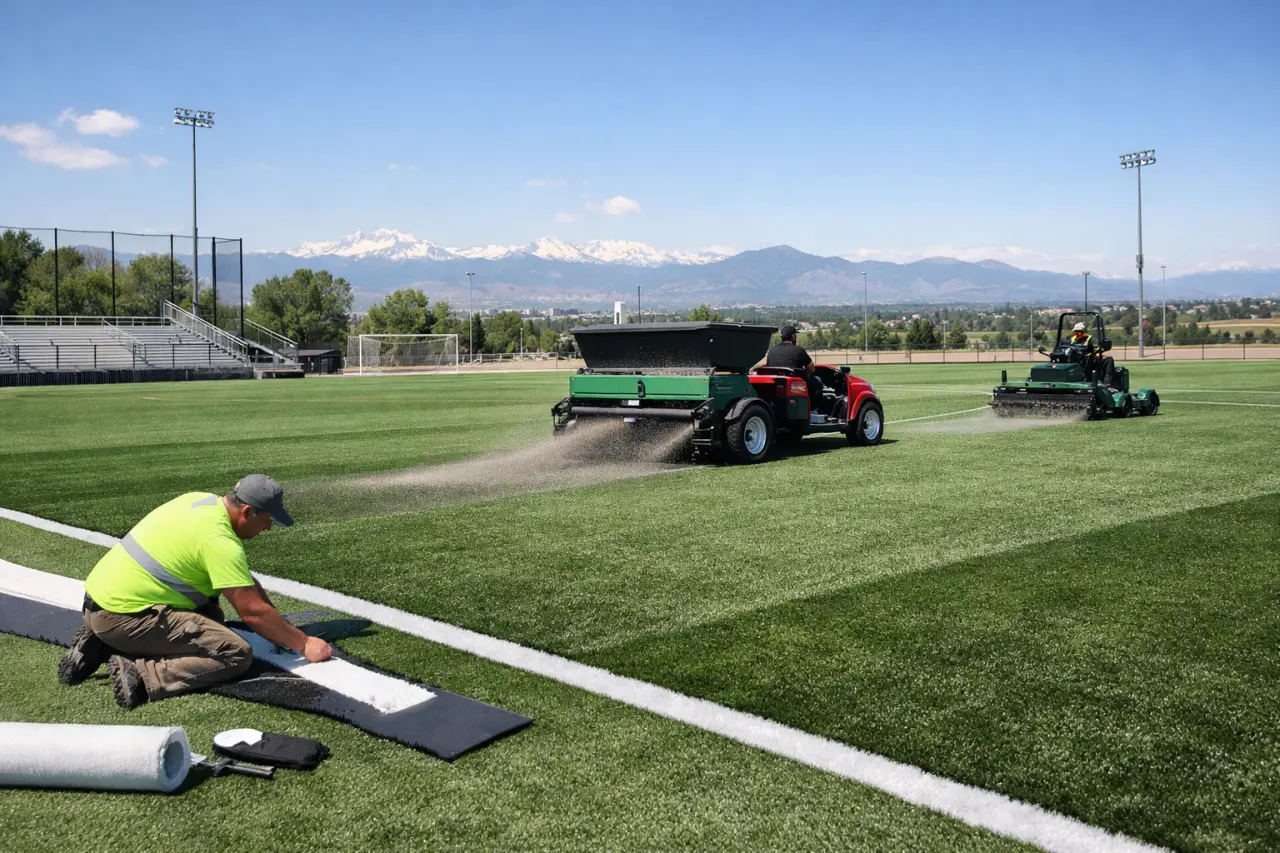
Denver Sports Turf Services for Schools, Clubs, and Fields
Denver field managers comparing synthetic turf options can look at installation, repair, and maintenance through a few local specialists with different strengths.
Editorial Team