Sports Turf
Lakewood Artificial Turf Services: Field Planning and Repair
Lakewood field managers weigh turf choices, drainage, and upkeep differently than homeowners. Here’s how local projects and providers shape safer play surfaces.
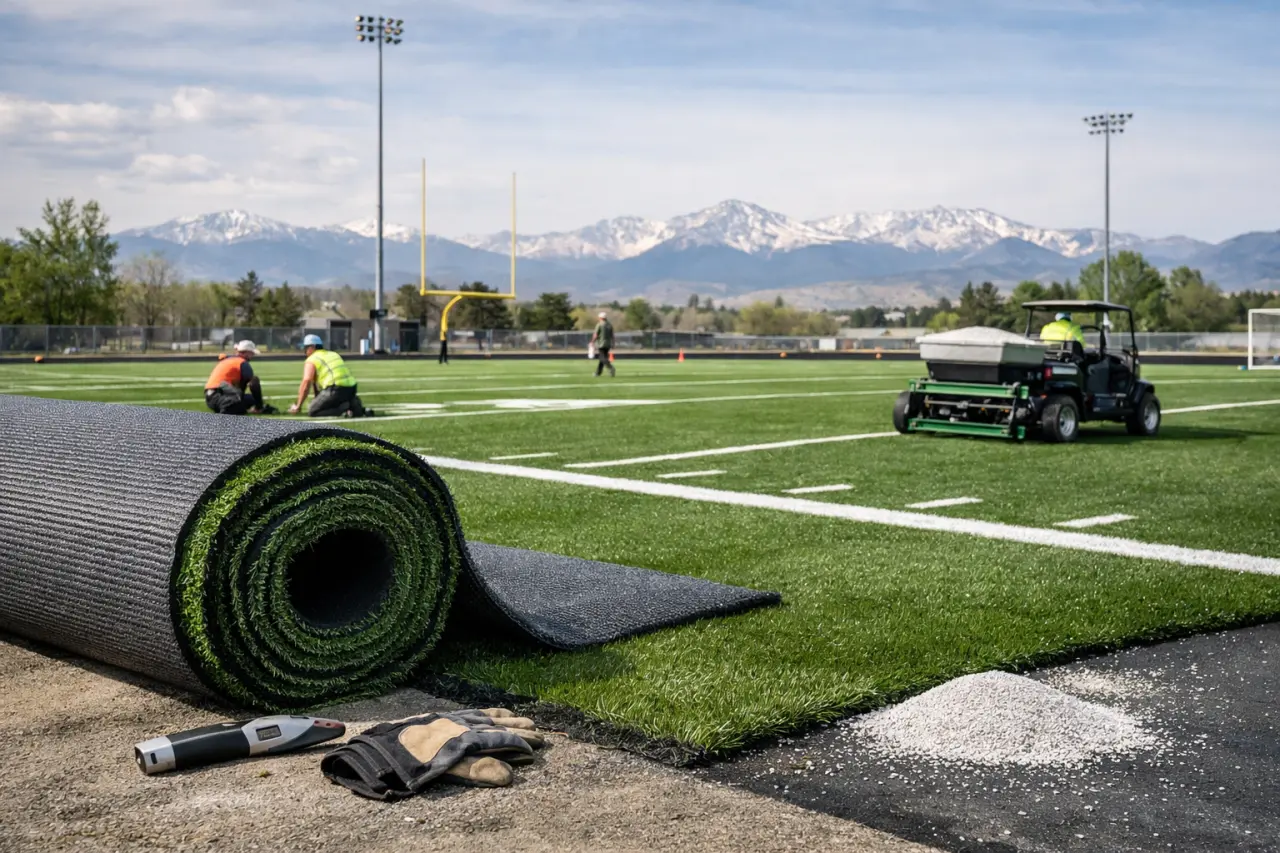
Lakewood’s sports turf decisions start with the field, not the brochure
In Lakewood, artificial turf for sports is less about getting a “green look” and more about building a surface that can handle repeat use, bad weather, and the day-to-day wear that comes with practices, games, and camps. The city has already invested in synthetic turf at Keli McGregor Field at All-Star Park, where a rehabilitation project replaced natural grass with 128,060 square feet of artificial turf and included a subsurface drainage system and baseball-specific design work (R&R Engineers).
That matters because a field is only as good as the parts you do not see. Drainage, base prep, infill, and seams all affect how a surface plays and how long it lasts. For buyers in Lakewood, the smartest first question is usually not “What turf do you sell?” but “How will this field be built for the sport that uses it most?”
Local projects show what sports turf has to solve
Lakewood’s synthetic turf use is not theoretical. The city’s field-turf rules are written to protect the surface and extend its lifespan, which is a reminder that installation and ongoing use need to match each other from day one (City of Lakewood). When a field is managed well, it can support steady play; when it is not, you get worn seams, compacted infill, and inconsistent traction.
For athletic programs, that means the best turf plan usually includes:
- a field-specific base and drainage design
- turf selected for the sport or mix of sports
- clear rules for footwear, equipment, and maintenance
- a repair plan for high-traffic zones
Lakewood’s own capital decisions reflect that kind of thinking. The city agenda materials note artificial turf infields as part of youth-sports support, showing that synthetic surfaces are being treated as infrastructure, not just landscaping (City of Lakewood).
Names worth knowing in and around Lakewood
If you are comparing sports turf options in Lakewood, a few named providers and project teams stand out from the local record.
Academy Sports Turf appears in Lakewood project work tied to All-Star Park, where the field rehabilitation involved baseball-specific synthetic turf and quality-control oversight during installation (R&R Engineers). That kind of project experience is especially relevant when a field needs more than a basic surface replacement.
PlushGrass, Inc. says it serves Lakewood and lists sports fields among its turf offerings, alongside commercial grass and putting greens (PlushGrass). For a buyer who wants one company that can handle both athletic and mixed-use turf needs, that broader catalog can be useful.
Artificial Turf Supply also lists Lakewood and specifically mentions indoor sports turf as a product designed for performance and injury prevention (ArtificialTurfSupply.com). That makes it relevant for training spaces, gyms, or indoor recreation setups where traction and durability are critical.
Recreational Industries has a Lakewood page that calls out sport field turf as part of its synthetic-turf lineup, which suggests it is positioned for more than residential installs (Recreational Industries).
What to ask before you sign off on a turf project
Sports turf work in Lakewood should be judged on how well it fits the use case. A soccer surface and a baseball infield do not need the same setup, and a school practice field has different wear patterns than a private training space.
Before choosing a provider, ask:
What sport load is the turf built for?
Soccer, football, baseball, and multi-sport use all change the spec.How is drainage handled?
A good field should recover quickly after snowmelt or heavy rain.What happens at seams and field edges?
Those are common failure points on busy fields.What maintenance is expected?
Grooming, debris removal, and infill checks are part of the life of the field.Is repair available after installation?
High-use areas often need spot work sooner than the rest of the field.
That last point is easy to overlook. In Lakewood, where synthetic turf is already part of public-field planning, repair and lifecycle work are not extras. They are part of the cost of keeping a field playable.
The best fit depends on the field’s real job
For a Lakewood school, park, or athletic club, the right sports turf provider is usually the one that can explain the surface in plain terms: how it drains, how it wears, and how it will be maintained once the games begin. The city’s own synthetic-turf use shows that field performance is tied to design choices made before the first blade is installed (City of Lakewood).
If you are comparing providers, start with the field’s actual use, then look at who has the project background to match it. In Lakewood, that is the difference between a surface that looks finished and one that stays ready.
Related articles
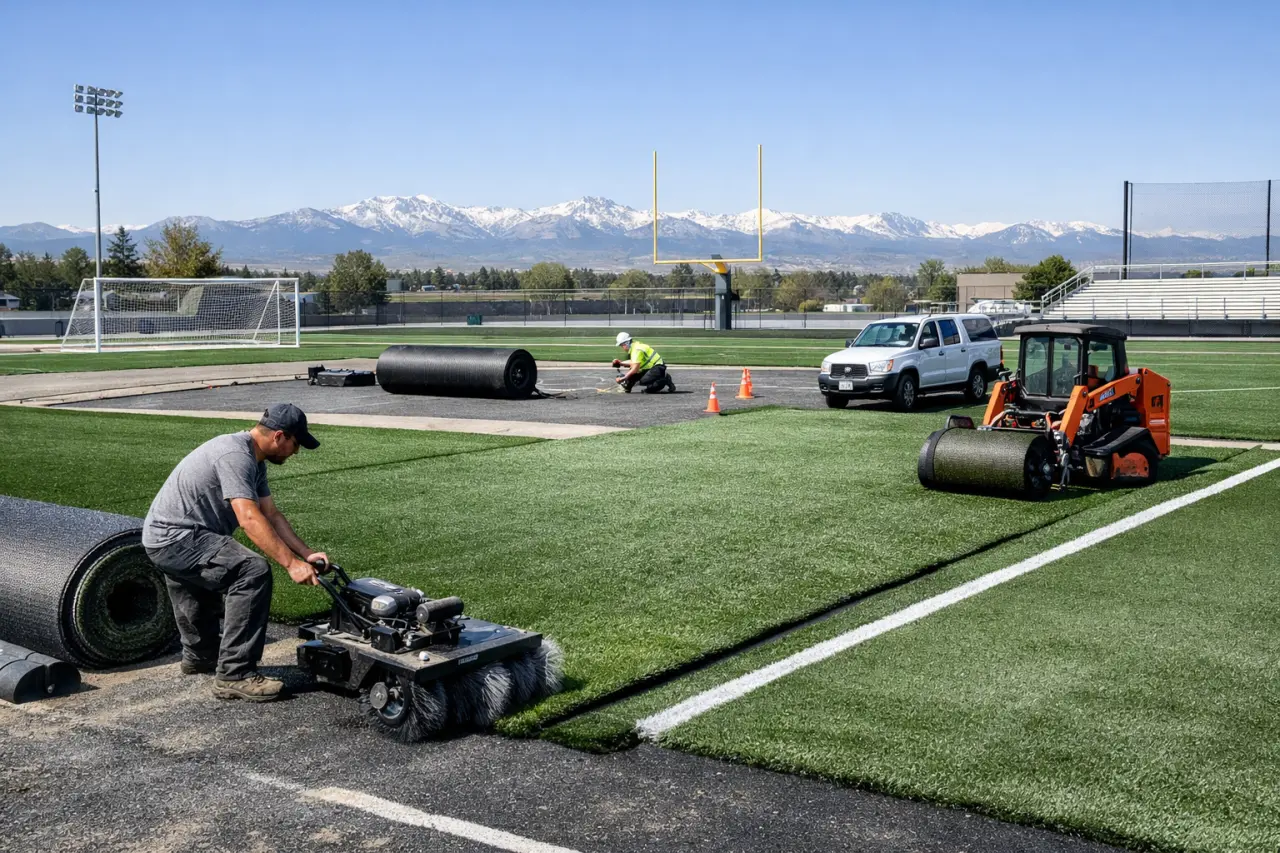
Lakewood Sports Turf Services: Field Care and Installers
Lakewood field managers and coaches can compare turf installation, maintenance, and repair options, plus what city athletic fields already tell us.
Editorial Team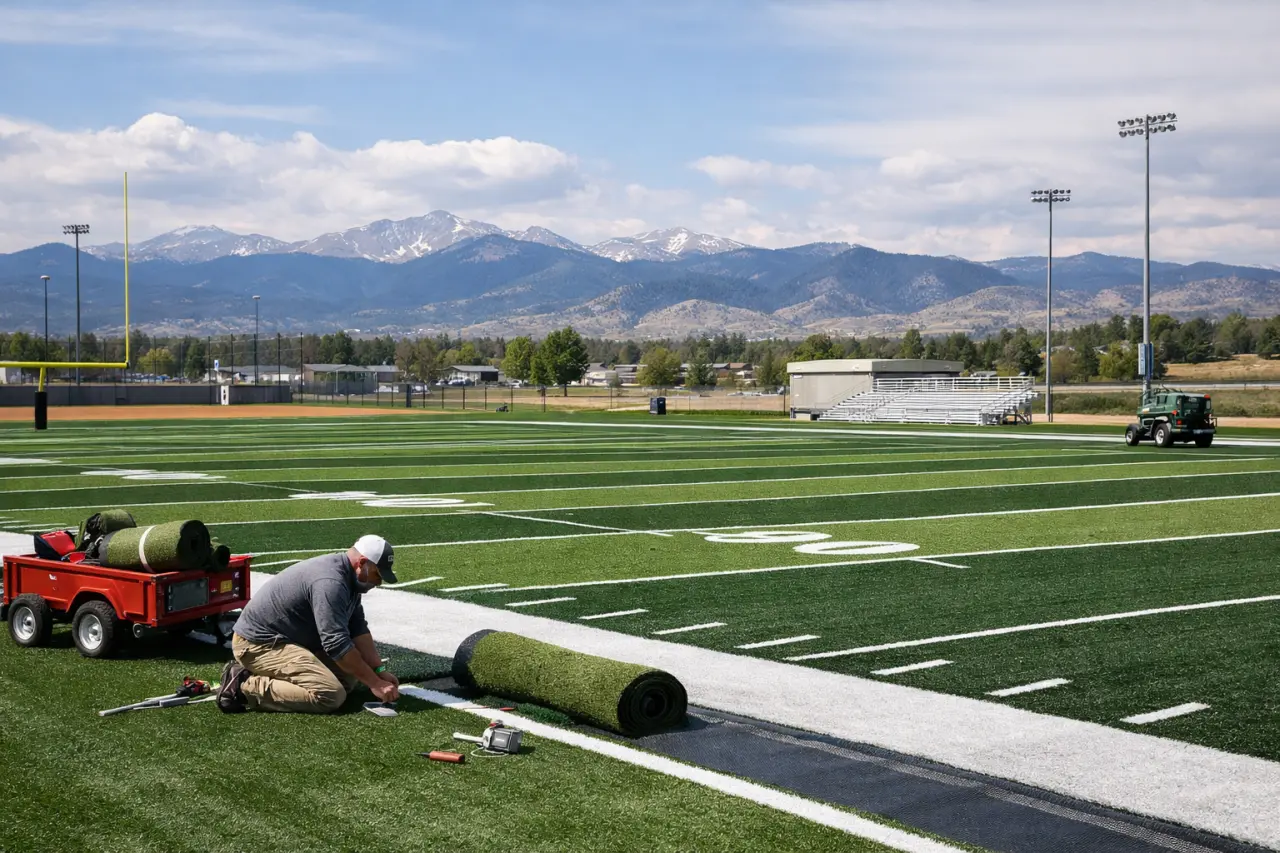
Fort Collins Sports Turf Services: What Field Managers Should Know
Fort Collins field managers weigh drainage, safety, and use patterns when choosing artificial turf. Local installers and city rules shape the best fit.
Editorial Team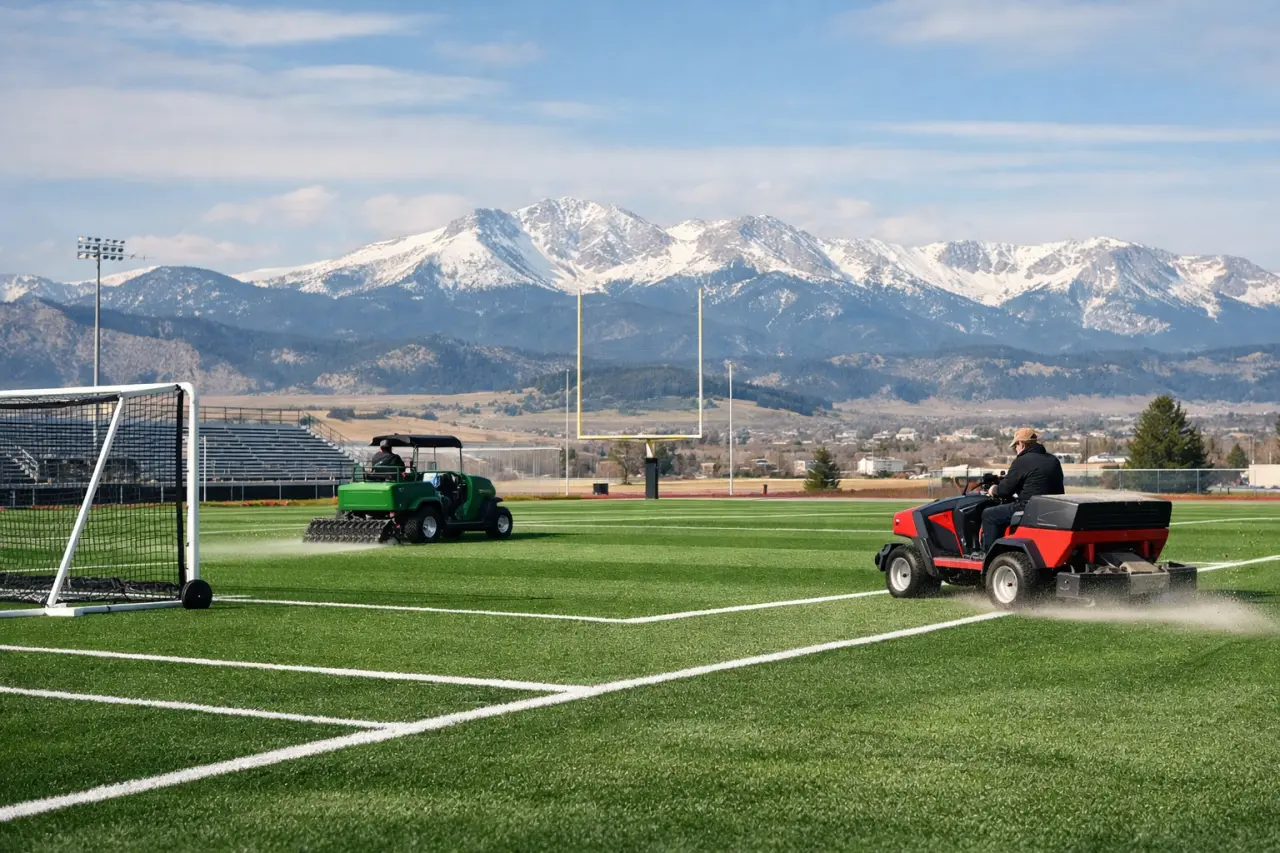
Aurora Sports Turf Services for Fields, Schools, and Clubs
From field installs to cleaning and repairs, Aurora sports turf projects work best with the right local partner and a plan for drainage, use, and maintenance.
Editorial Team