Synthetic Grass
Denver Synthetic Grass Buyers’ Guide: Installers, Dogs, and Green Goals
Denver homeowners want turf that can handle pets, play, and dry weather. Here’s how local installers approach the job, from base prep to drainage.
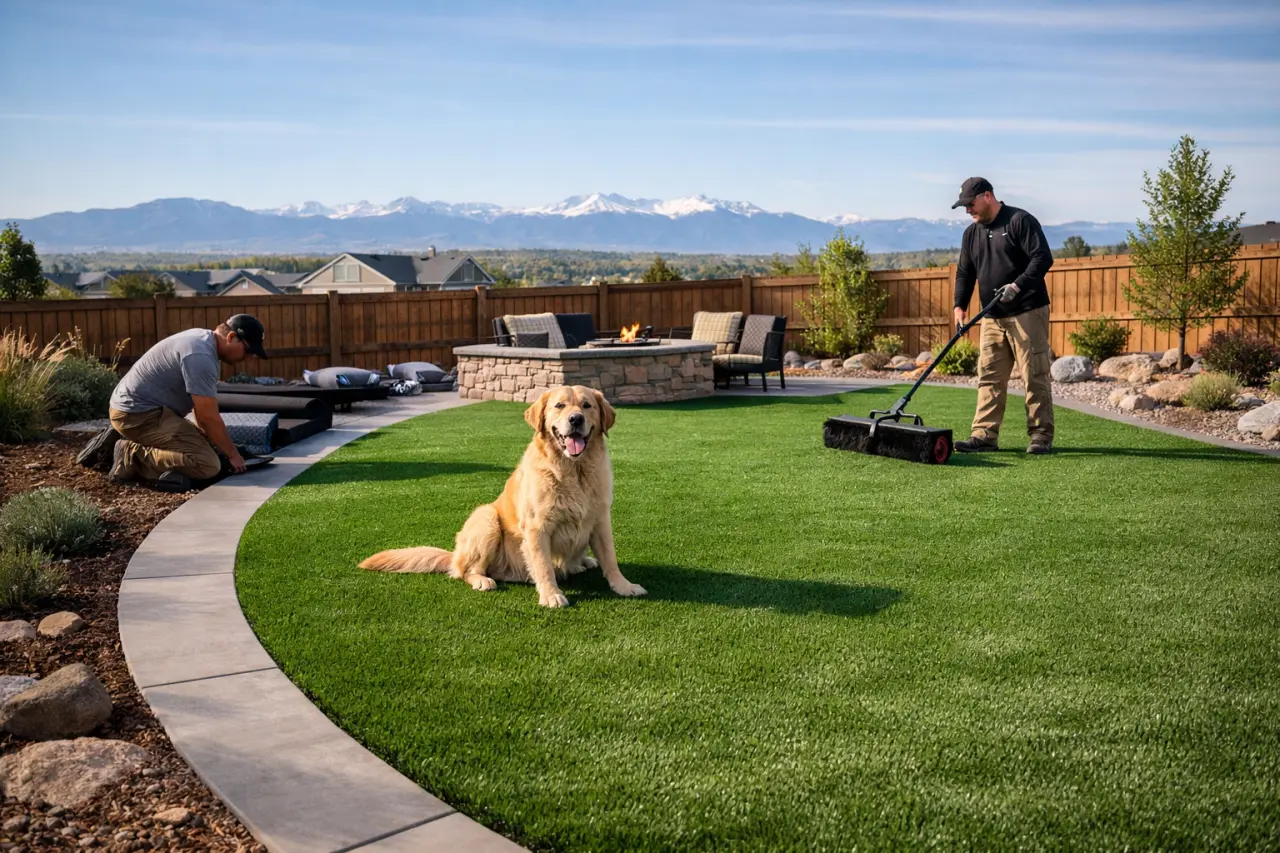
Denver’s synthetic grass question is really about use case
In Denver, synthetic grass usually comes up for one of three reasons: a yard that needs to look good with less watering, a pet area that has to drain well, or a small space that needs to work harder than natural grass can. The best installs start with the goal, not the product.
That matters because local businesses tend to specialize a little differently. Some focus on full landscape installs, some on backyard turf and putting greens, and some on hardscape projects that happen to include artificial grass. A good fit in Denver is less about picking the flashiest turf and more about matching the surface to how you actually live on it.
Local companies worth a close look
Next 2 Natural Turf is one Denver option with a clear turf-only focus. HomeAdvisor lists it at 6145 Broadway, Unit 42 in Denver and describes its work as synthetic grass installation for putting greens and play areas, with free estimates and warranties offered (Next 2 Natural Turf).
Synthetic Turf & Landscape, LLC appears on HomeAdvisor’s Denver installer list as serving Denver and surrounding areas, with free estimates and warranties offered (Synthetic Turf & Landscape, LLC). If you want one contractor to handle turf alongside broader landscape work, that kind of profile can be useful.
Aria Alfresco, LLC is another Denver-based company that HomeAdvisor says has 50+ years of combined landscaping experience, and its project descriptions include an artificial turf dog run among other outdoor improvements (Aria Alfresco, LLC).
RDS Hardscape Service also shows up in Denver with artificial grass installation among its services, alongside pavers and retaining walls (RDS Hardscape Service). That can matter if your turf job depends on grading, edging, or a more complete patio-and-yard redesign.
What to compare before you sign anything
Synthetic grass can look straightforward from the street and still fail if the base is done badly. In Denver, the details below deserve more attention than the sample color swatch.
- Drainage: This is especially important for pet runs and shaded yards. If water sits on top of the turf, the surface will be harder to keep clean and may smell faster.
- Base preparation: A compacted, well-graded base does more for longevity than a slightly thicker blade profile.
- Seams and edges: These are the places where rushed installs show up first.
- Infill choice: The fill under and between the blades affects feel, stability, and maintenance.
- Warranty terms: Ask what is covered and for how long, especially on seams, fading, and installation defects.
Denver buyers often compare turf the way they compare appliances: not just by brand, but by what problem it solves. A play yard, a dog run, and a putting green all need different priorities.
Denver pet yards need different turf than front lawns
If you’re installing synthetic grass for dogs, the conversation changes fast. Denver-based guidance from Denver Artificial Grass notes that dog owners often choose artificial turf because it is easy to maintain and can be used year-round without mowing, weeding, or fertilizing (Denver Artificial Grass).
That same page also points out the importance of drainage, durability, and odor control for pet areas (Denver Artificial Grass). That lines up with what most Denver homeowners discover after the first season: a turf yard can be low-maintenance, but only if it was designed for the right kind of traffic.
If your household includes a large dog, frequent fetch sessions, or a spot that gets used after rain or snowmelt, ask installers how they build the sub-base and how they handle washing or cleanup. Those answers are usually more telling than the turf sample itself.
A smart Denver buying process
A practical way to shop synthetic grass in Denver is to narrow the job before comparing bids.
Start with the yard’s main job
- Front-yard curb appeal: prioritize a natural look and clean edge work.
- Dog run: prioritize drainage and easy sanitation.
- Play area: prioritize softness, resilience, and seam quality.
- Putting green: prioritize ball roll and contour shaping.
Then ask each installer the same questions
- What base materials do you use?
- How do you handle drainage?
- What kind of infill do you recommend for this yard?
- How do you protect seams and transitions?
- What maintenance does the turf need after installation?
That approach helps you compare companies on the same terms. It also keeps the conversation focused on what the Denver yard will actually face: sun, dry spells, freeze-thaw swings, and a lot of use in a short growing season.
Where synthetic grass makes the most sense in Denver
Synthetic grass is not the answer for every property, but it can be a strong option when water use, upkeep, or consistency matter more than growing a traditional lawn. In Denver, the best results usually come from installers who are willing to talk plainly about base prep, drainage, and the way the space will be used day to day.
If you’re comparing turf companies, the names above give you a useful starting point. From there, the right choice comes down to whether the installer understands your yard as a working surface, not just a patch of green.
Related articles
Fort Collins Synthetic Grass: Choosing the Right Installer
Fort Collins buyers have a few solid turf options, but the best fit depends on pets, play areas, and how much design help you want.
Editorial Team
Aurora Synthetic Grass: Turf Installers, Supply, and City Fit
Aurora homeowners looking at synthetic grass have to balance curb appeal, upkeep, and local landscape rules. Here’s how nearby turf companies and city guidance fit together.
Editorial Team
Denver Synthetic Grass: Showrooms, Supplies, and Installers
Need synthetic grass in Denver? Here’s how local showrooms, pickup hubs, and installers differ on product selection, drainage, and project support.
Editorial Team