Commercial Turf
Colorado Springs Commercial Turf Maintenance and Installation Guide
Colorado Springs properties use commercial turf to cut watering and mowing while keeping courtyards, entrances, and play areas tidy year-round.
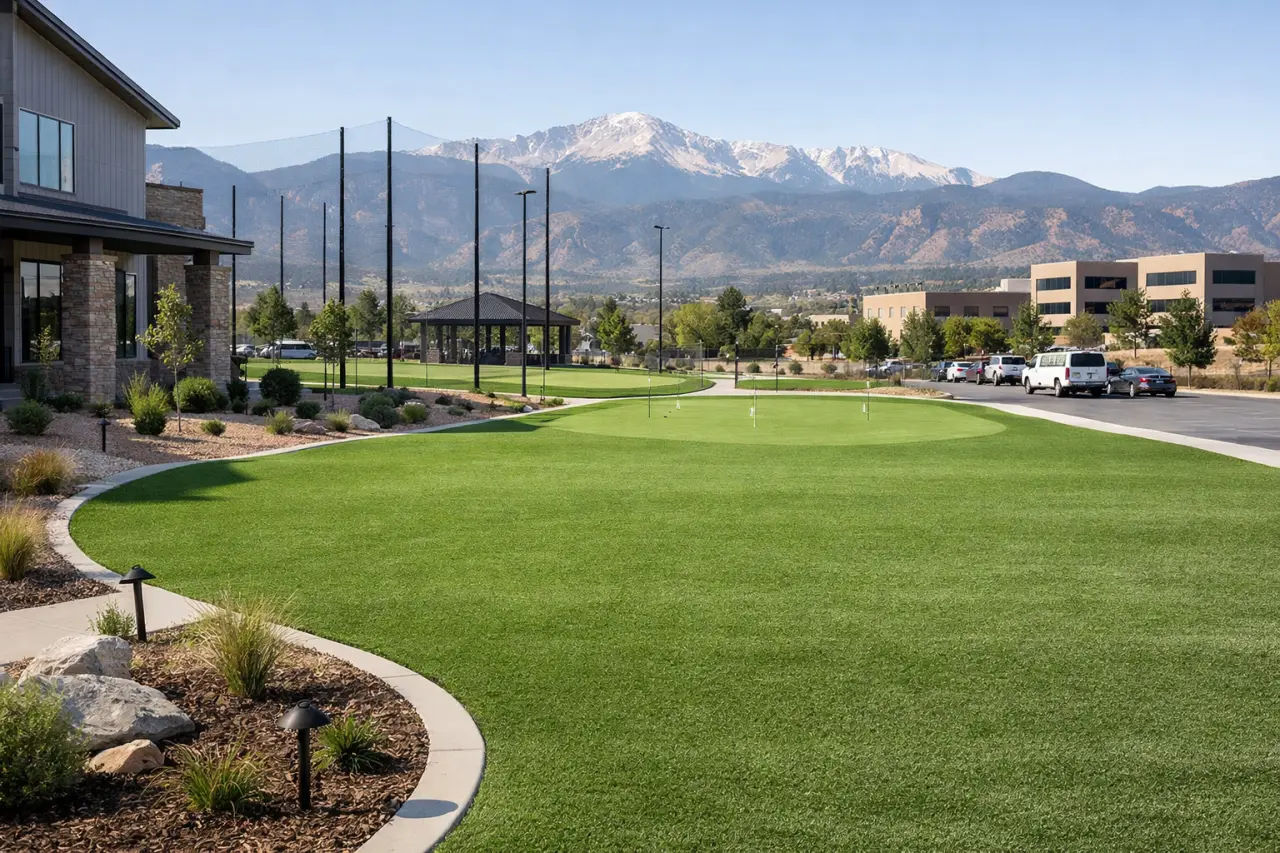
Commercial turf in Colorado Springs
For Colorado Springs property managers, commercial turf is often less about a perfect lawn and more about solving a practical problem: keeping entrances, courtyards, play areas, and common spaces looking orderly without constant watering and mowing. The city’s Landscape Code and Policy Manual says proposed artificial turf must be rated for commercial use, which matters for projects near public rights-of-way and other regulated areas. (coloradosprings.gov)
That makes provider selection especially important. A good turf install should be planned around drainage, foot traffic, edging, and the end use of the space, not just appearance. In Colorado Springs, commercial turf tends to work best where a property needs a durable green surface that can stay presentable through weather swings and heavy use. (patents.google.com)
Two Colorado Springs companies worth comparing
Dominion Turf is one of the clearest local options with a dedicated commercial page for Colorado Springs. The company says it provides artificial turf solutions for businesses, parks, schools, and commercial properties in the city, and it also highlights reduced mowing, watering, and fertilizing needs. (dominionturf.com)
Front Range Turf also serves Colorado Springs and says it works with residential and commercial properties. Its site emphasizes low-maintenance turf solutions and notes that turf can be rinsed and brushed to stay in good shape, which is useful language for owners who want a cleaner-looking site with simpler upkeep. (frontrangeturf.com)
Those two businesses are not identical in how they present their services. Dominion Turf is more explicit about commercial installations in Colorado Springs, while Front Range Turf frames itself more broadly as a local synthetic turf installer serving the area’s property types. (dominionturf.com)
Where commercial turf tends to make the most sense
In this market, the best commercial turf projects usually fall into a few buckets:
- Business entrances and courtyards where a tidy look matters every day
- Schools and child-friendly areas where a softer, cleaner-looking surface may be preferred
- Parks and shared spaces where a durable synthetic surface can reduce ongoing grounds work
- Pet or amenity zones where quick cleanup and stable footing are priorities
Dominion Turf specifically names businesses, parks, and schools as use cases in Colorado Springs, which gives a good clue about the kinds of projects local buyers are asking for. (dominionturf.com)
Commercial turf can also pair well with pavers, rock borders, and other hardscape elements. A patent describing pre-formed synthetic turf grids notes use in commercial construction and in patterned walkways, patios, driveways, walls, and fence installations, which reflects how turf is often used as part of a broader landscape design rather than a standalone lawn replacement. (patents.google.com)
What to ask before you hire
Colorado Springs buyers should get specific about the scope of work. Turf that performs well on paper can still fail if the base, drainage, or edge details are rushed. Industry guidance and patent literature alike point to site prep, base compaction, drainage planning, and secure edging as central to long-term performance. (patents.google.com)
Before signing a contract, ask these questions:
- What commercial-use turf products do you install?
- How do you handle drainage and base preparation?
- Do you provide maintenance after installation?
- How do you manage seams, edges, and transitions to hardscape?
- Have you completed projects for businesses, schools, or parks in Colorado Springs?
The city’s code language makes the commercial-use question especially important, so buyers should ask for product details rather than assuming every artificial grass option is suitable. (coloradosprings.gov)
Matching the installer to the property type
If the site is a business campus or office frontage, look for a contractor that can explain curb appeal, traffic patterns, and cleanup. If the site is a school or play area, ask about safety layers and maintenance routines. If the site is a park or shared amenity area, you’ll want a plan for wear, drainage, and regular grooming.
That is where the distinction between the two local companies can help narrow the search. Dominion Turf leans into commercial properties, while Front Range Turf presents a broader turf-installation offering in Colorado Springs. (dominionturf.com)
A practical Colorado Springs takeaway
Commercial turf is not a one-size-fits-all product, especially in Colorado Springs. The right project should fit the site, meet the city’s commercial-use expectations, and hold up under the kind of foot traffic your property actually sees. A well-planned installation can reduce day-to-day landscape work while keeping a site looking orderly through the season. (coloradosprings.gov)
For many local buyers, the smartest first step is to compare a contractor with a clear commercial focus, like Dominion Turf, against a broader installer such as Front Range Turf, then ask both for a site-specific plan. That comparison will usually tell you more than a glossy product photo ever will. (dominionturf.com)
Related articles
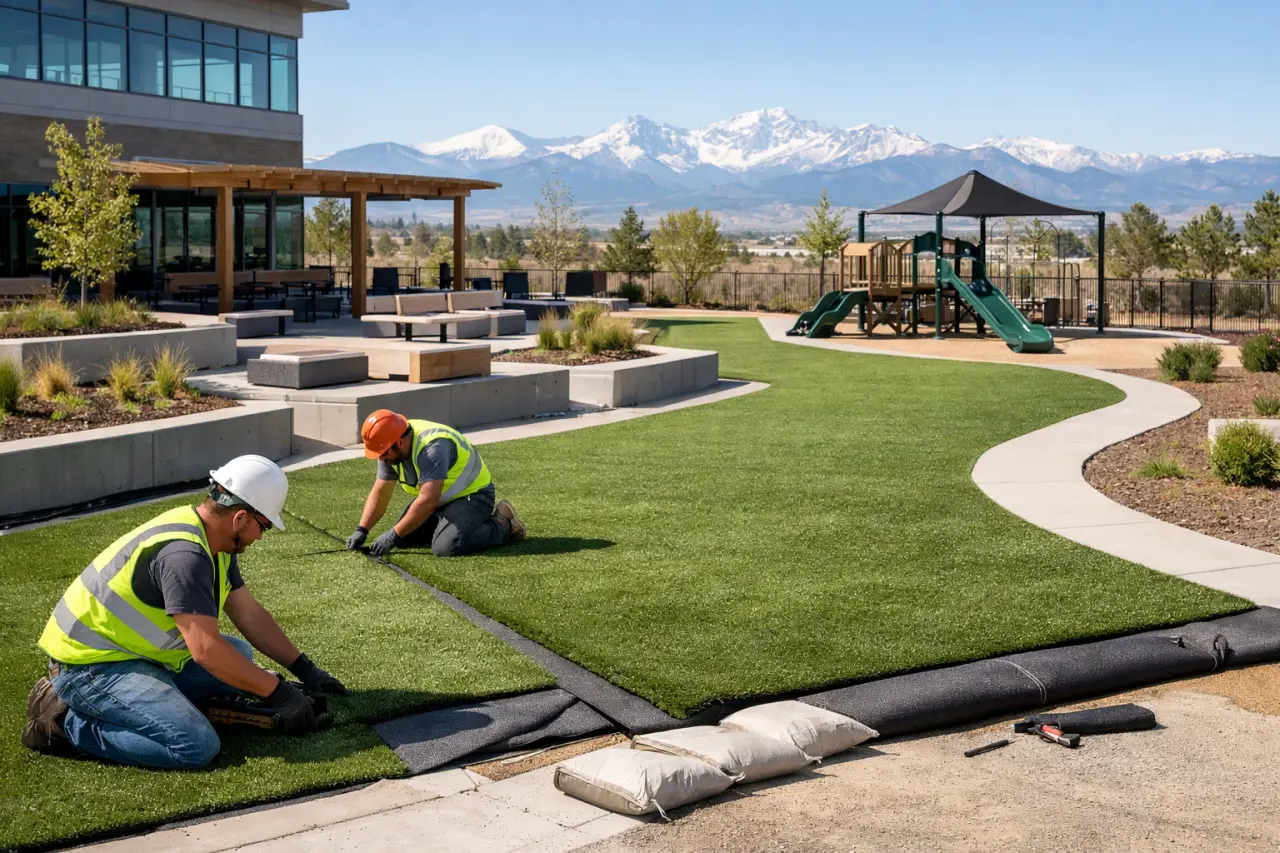
Aurora Commercial Turf Installers for Safer, Cleaner Sites
Aurora property managers can use commercial turf to simplify upkeep, improve curb appeal, and fit water-wise goals without losing usable green space.
Editorial Team
Denver Commercial Turf Options for Rooftops and Common Areas
Denver properties need turf that handles foot traffic, heat, and clean drainage. Here’s how local installers approach rooftops, courtyards, and shared spaces.
Editorial Team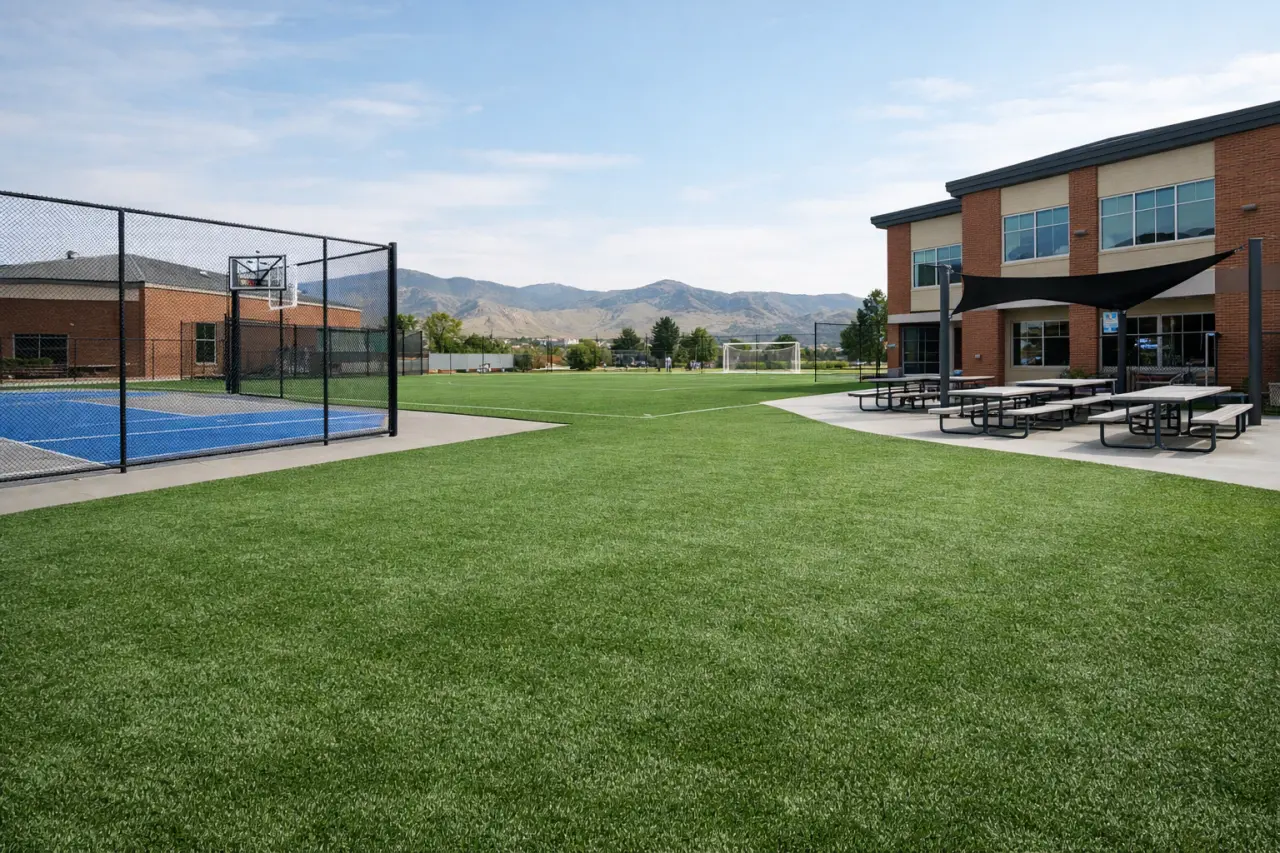
Lakewood Commercial Turf Installations for Campuses and Courts
Lakewood properties need turf that holds up under daily use. Here’s how local commercial installers approach campuses, courtyards, and play areas.
Editorial Team