Irrigation Solutions
Denver Irrigation Solutions for Artificial Turf Owners
Denver turf installs still need the right water plan. Here’s how local irrigation choices, recycled water, and smart controls can protect synthetic lawns.
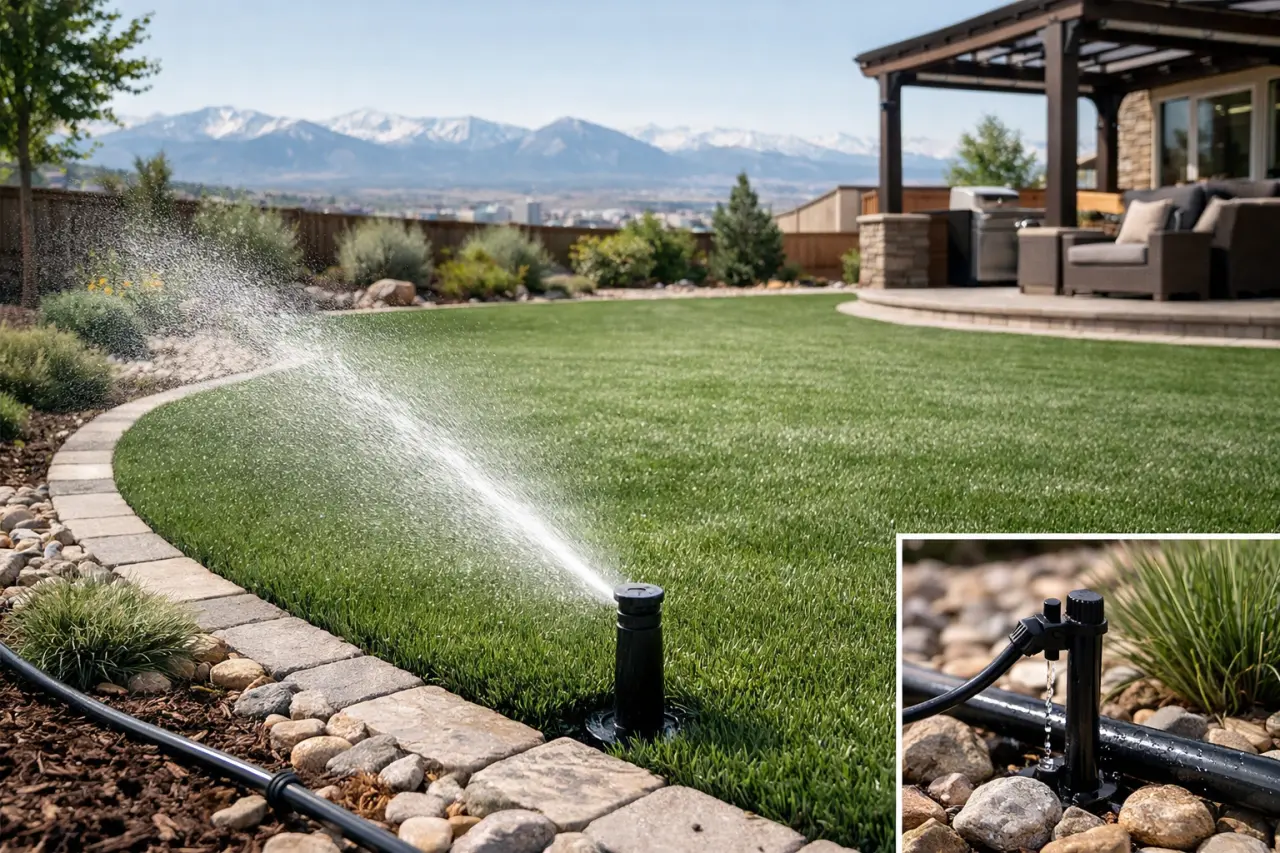
Denver turf care starts with the water plan
Artificial turf may cut down on mowing and routine watering, but it does not eliminate the need for a smart irrigation strategy. In Denver, the bigger conversation is usually about where water should go, when it should run, and how to avoid wasting it on parts of the yard that no longer need full lawn irrigation.
That matters here because Denver’s public water system already leans hard into conservation and reuse. Denver Water says its recycled water system supplies water for irrigation and other non-drinking uses, and the city’s One Water planning ties drinking water, wastewater, stormwater, and reuse together as one connected system (Denver Water, City and County of Denver).
Why irrigation still matters with synthetic grass
A turf replacement project often leaves behind a mix of needs: a small patch of planting bed, a tree ring, a side yard, or a future plan for drip lines. That’s where irrigation design still earns its keep. Denver Water notes that recycled water can be used for irrigation, and that some larger sites rely on separate systems marked by purple pipe and purple equipment (Denver Water). For turf owners, that’s a reminder that the irrigation system around synthetic grass should be intentional, not just left running out of habit.
For Denver homeowners, the practical goal is simple:
- keep any remaining living plants healthy
- avoid overspray onto turf infill or edges
- reduce runoff and puddling
- make sure timers and controllers match the new landscape layout
That approach fits the city’s own water-conservation direction. Denver Parks and Recreation says it is expanding central control irrigation, converting park systems to reuse water, and using new technologies and water budgets to improve efficiency (City and County of Denver).
Denver businesses that work on irrigation around turf
If you’re converting a yard to artificial turf, the most useful contractors are often the ones that can think in both directions: irrigation and turf. A few Denver companies fit that pattern.
Frontier Turf positions itself as a Denver Metro artificial turf and landscape company, which makes it a relevant option when you want the turf install and the surrounding water strategy handled together (Frontier Turf). When irrigation gets simplified during a turf conversion, that kind of combined approach can help avoid awkward leftover sprinkler heads or zones that no longer serve a purpose.
All Things Turf says it is a Denver-based artificial turf team and specifically mentions after-care maintenance plus DIY maintenance solutions, which is useful if you want help adjusting the landscape after installation rather than just during it (All Things Turf). That matters for irrigation decisions because turf projects often need follow-up tweaks once the old lawn is gone and watering patterns change.
Mile High Turfscape describes itself as an industry leader in the design, installation, maintenance, and repair of synthetic turf, and also serves residential and commercial projects (Mile High Turfscape). A company with both turf and maintenance experience is often better positioned to coordinate drainage, edging, and any irrigation changes near the new surface.
SYNLawn Colorado says its synthetic grass is engineered for Denver’s climate and that artificial turf is a good fit for properties facing water restrictions because it eliminates the need for irrigation on the turf itself (SYNLawn Colorado). That makes them relevant for owners who want to reduce watering dramatically while still keeping landscape beds or trees on a separate irrigation plan.
The smartest setup is usually not all-or-nothing
The best Denver turf projects rarely remove every sprinkler head and call it done. More often, they divide the yard into three parts:
1. Turf zones
These areas should not be watered like a traditional lawn. If any irrigation hardware is still present nearby, it should be checked for overspray, leaks, or mist drifting onto the synthetic surface.
2. Planting zones
Trees, shrubs, and beds still need water, but usually not the same schedule as lawn areas. Drip irrigation often makes more sense here than full spray coverage because it targets roots instead of wetting the whole yard.
3. Transition zones
These are the tricky spots where turf meets concrete, mulch, or a planting bed. They are where poor head placement creates the most waste. In a Denver climate that already rewards restraint, those edges should be the first place a contractor inspects.
Denver Water’s commercial rebate information also shows that smart irrigation controllers are part of the local conservation toolkit, with WaterSense-certified smart controllers eligible for rebate consideration (Denver Water). Even if your project is residential, the message is useful: controllers should be updated when the landscape changes.
A good Denver contractor should ask the right questions
Before any turf work begins, ask how the company plans to handle the irrigation system around it. The answer should be specific, not vague. Good questions include:
- Which sprinkler zones will be capped, rerouted, or converted?
- Will planting beds switch to drip irrigation?
- How will overspray be prevented at the turf edge?
- Is the controller being reprogrammed after the install?
- If recycled water is part of the property, are the markings and equipment still correct?
Those questions are especially important on larger properties, where Denver Water says recycled water is used for irrigation and must follow annual watering rules, including no watering between 10 a.m. and 6 p.m. (Denver Water). Even if your Denver yard is smaller than that, the same habit applies: water should be directed only where it still earns its keep.
The Denver takeaway
For artificial turf owners in Denver, irrigation solutions are less about watering grass and more about refining the whole outdoor system. The best projects reduce waste, protect the living parts of the landscape, and leave behind a setup that is easier to manage year-round.
If you’re planning a turf conversion, look for a contractor that understands both synthetic surfaces and the irrigation changes that come with them. In Denver, that combination is what turns a simple turf install into a cleaner, more efficient yard.
Related articles
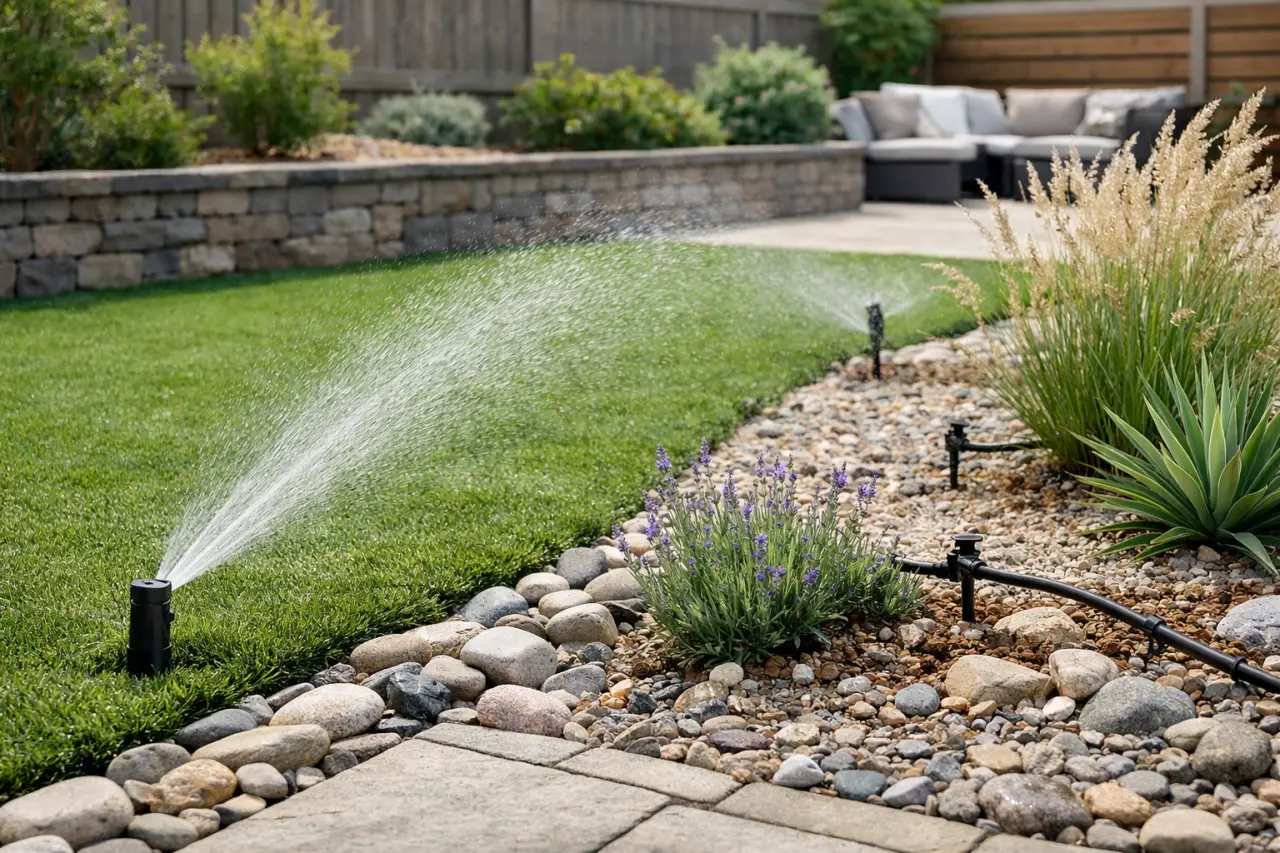
Denver Irrigation Solutions for Artificial Turf Transitions
Denver turf projects need irrigation plans that fit the swap from bluegrass to synthetic grass. Here’s how local companies handle the water side of the job.
Editorial Team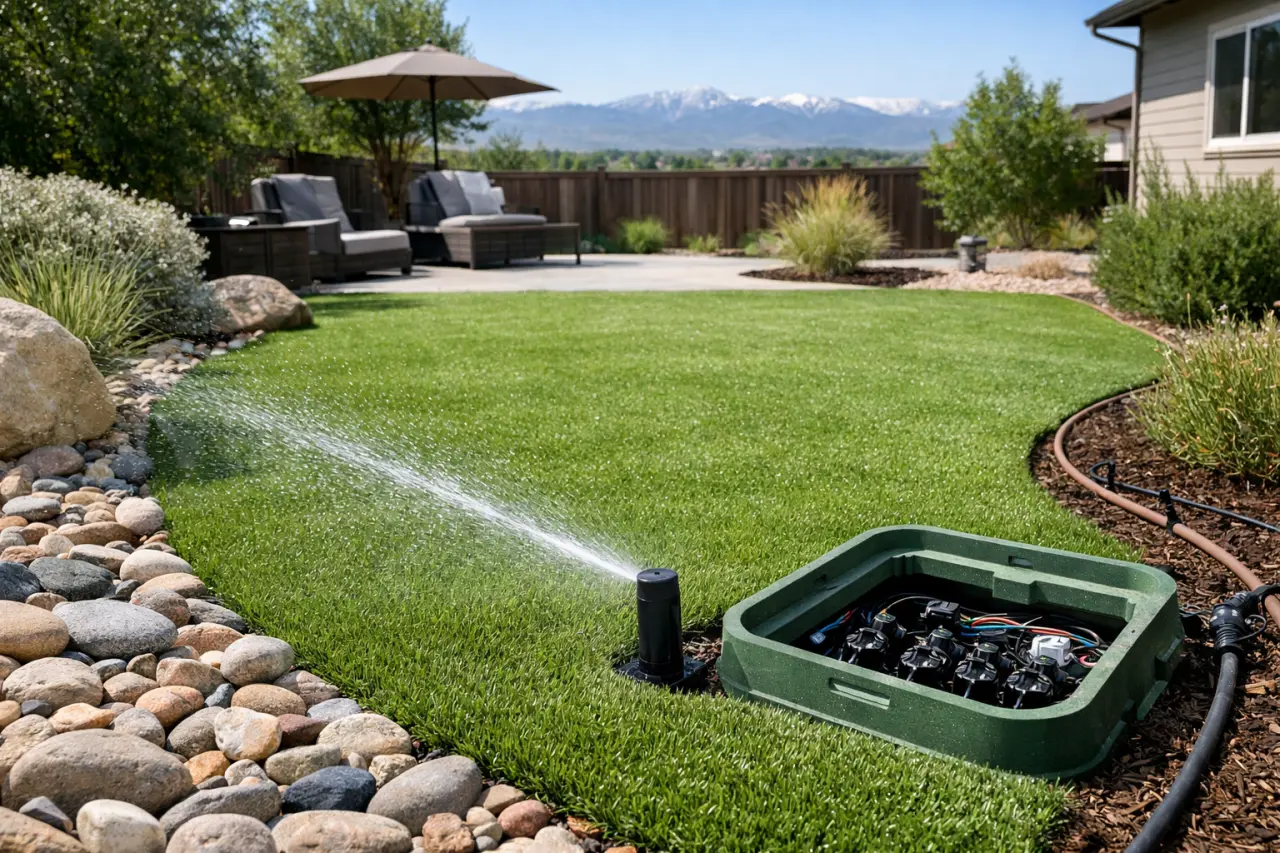
Lakewood Irrigation Solutions for Artificial Turf: Water-Smart Picks
Lakewood homeowners can pair synthetic grass with smart irrigation, drainage, and seasonal service to keep turf clean, cool, and long-lasting.
Editorial Team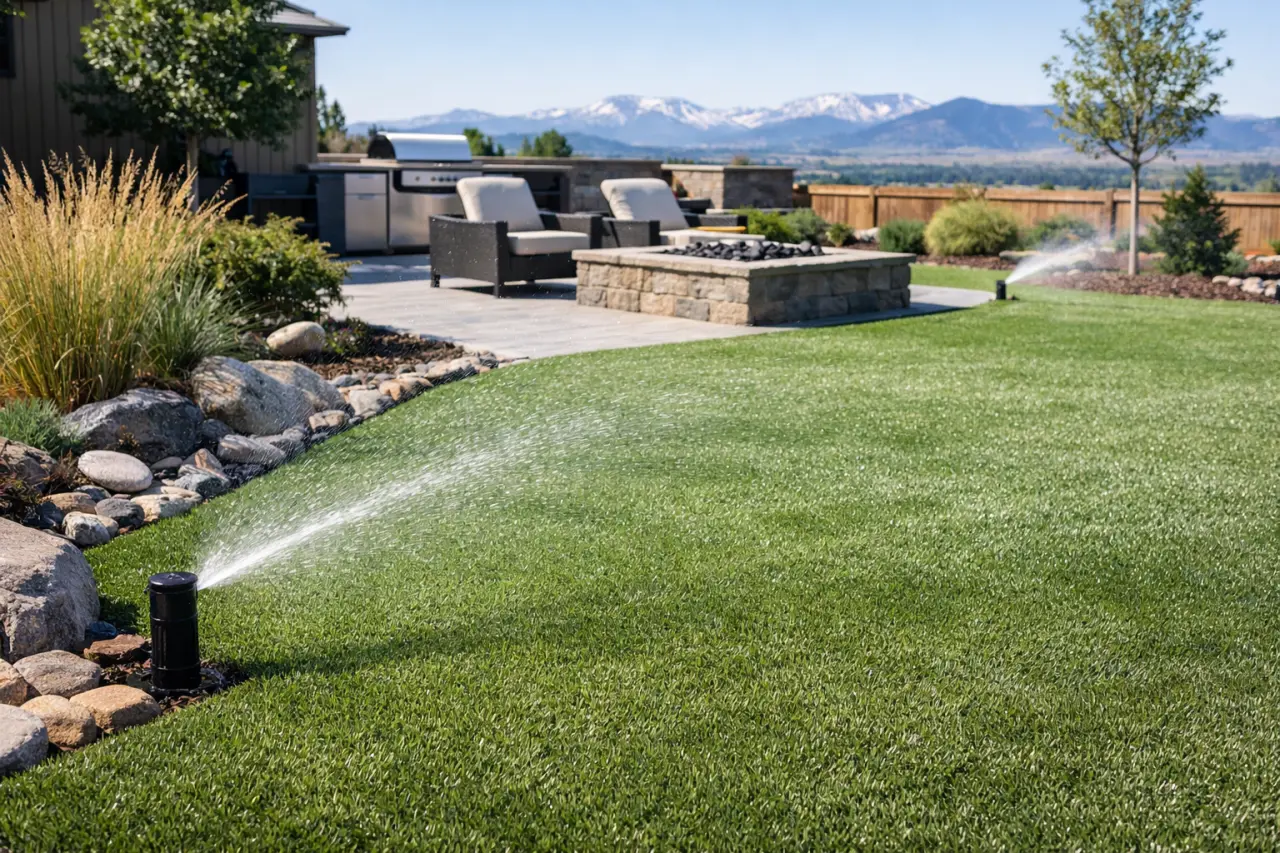
Fort Collins Irrigation Solutions for Artificial Turf Spaces
Fort Collins turf owners can pair synthetic grass with smart irrigation, drainage fixes, and seasonal maintenance that supports cleaner edges and lower waste.
Editorial Team