Irrigation Solutions
Lakewood Irrigation Solutions for Artificial Turf Care
Lakewood homeowners can keep synthetic lawns cleaner and longer-lasting with smart irrigation choices, from misting to drainage-friendly maintenance.
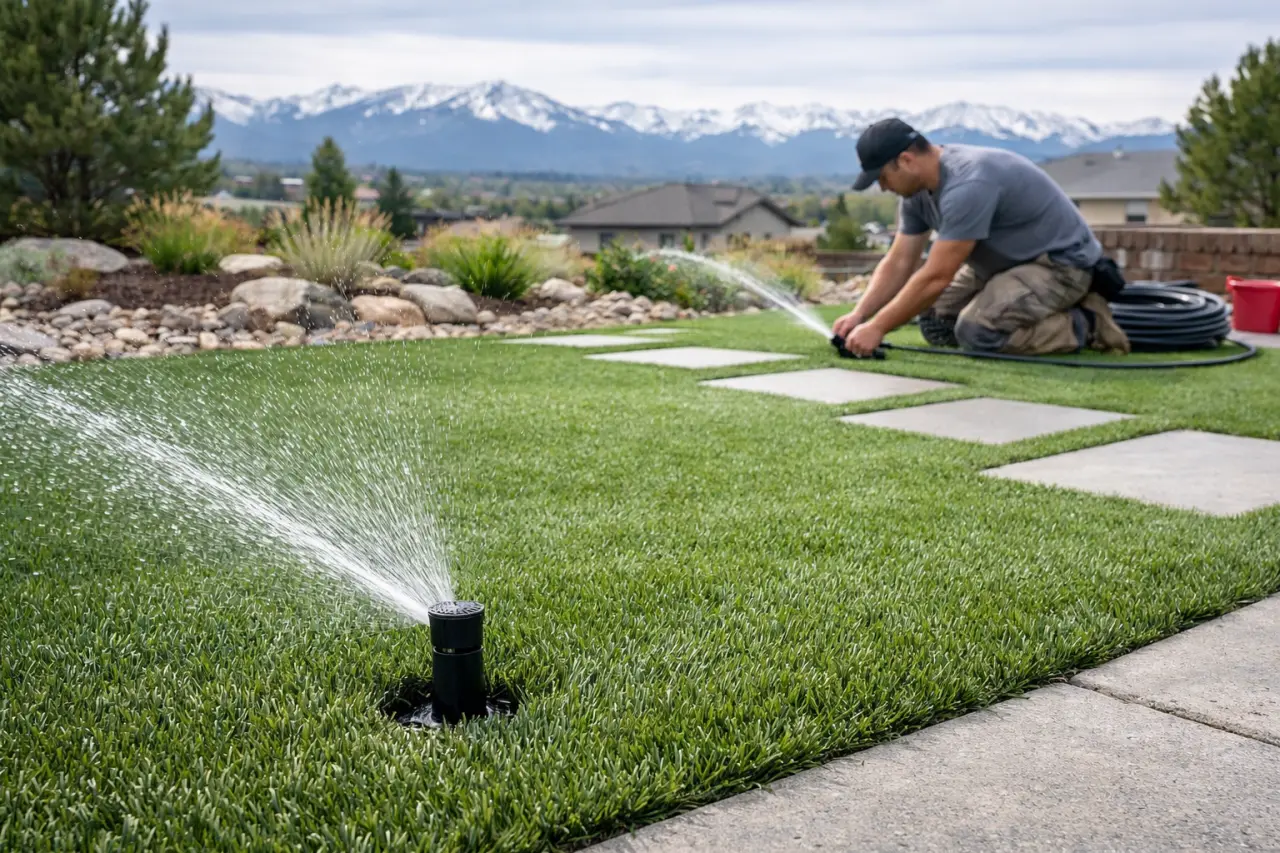
Why irrigation still matters with artificial turf in Lakewood
Artificial turf cuts down on mowing and can reduce routine watering, but that does not mean the yard is completely off the hook. In Lakewood, the best irrigation setup for synthetic grass is usually about supporting the surface, not soaking it. That can mean light rinsing to knock off dust and pet residue, controlled cooling during hot stretches, and drainage planning that keeps water from pooling where people walk.
Lakewood’s own outdoor water guidance pushes residents toward efficient irrigation tools like drip irrigation, rotating sprinkler nozzles, rain sensors, and smart controllers, along with leak checks and runoff prevention. The city also recommends zoning turf separately and using the watering method that fits each plant area best (City of Lakewood, City of Lakewood). For artificial turf owners, that same logic translates well: use water only where it solves a real problem.
Local providers that work on irrigation in Lakewood
A good irrigation plan for synthetic turf often starts with a contractor who can diagnose what the yard actually needs. In Lakewood, Green Mountain Turf Sprinkler Repair focuses on sprinkler repair and winterization, which is useful when a property has both artificial turf and irrigated planting beds or perimeter areas that still need care. The company says it handles winterize and repair work and has 49 years of experience, which suggests strong familiarity with maintenance-heavy systems (Green Mountain Turf Sprinkler Repair).
North Metro Lawn Care, LLC also offers sprinkler repair and sprinkler turn-on service, along with estimates and a one-year guarantee on parts and labor. For Lakewood homeowners, that kind of seasonal service can help keep existing irrigation hardware from overspraying onto turf edges or wasting water on hardscape (North Metro Lawn Care, LLC).
For broader landscape work, Denver Sprinkler and Landscape says it serves Lakewood and offers irrigation installation and repair services. If a synthetic lawn needs a new controller, a better valve layout, or adjustments around mixed-use landscaping, a contractor that handles both irrigation and landscape work can simplify the project (Denver Sprinkler and Landscape).
What to ask before you add water near synthetic grass
Artificial turf looks simple from the street, but the irrigation details can get technical fast. The best Lakewood setup depends on whether the turf is purely decorative, heavily used by pets, or installed beside planted beds that still need regular watering.
When you talk with an installer or repair tech, ask about:
- Overspray control — Sprinkler heads should not mist the turf edge or hit sidewalks. Lakewood advises adjusting heads to avoid watering pavement and checking systems every spring for leaks (City of Lakewood).
- Controller settings — Smart controllers and rain sensors can reduce unnecessary watering, especially when only a small perimeter zone needs moisture (City of Lakewood).
- Zone separation — Turf should not be watered like shrubs or flower beds; Lakewood recommends zoning turf separately and matching the irrigation method to the plant type (City of Lakewood).
- Drainage issues — If water hangs around after rain or wash-downs, the fix may be grading, drainage repair, or a look at compacted base material rather than more irrigation.
Smart ways to use water on synthetic turf
Lakewood’s drought messaging makes one thing clear: water is precious, and outdoor use gets attention fast. The city notes that Denver Water supplies many Lakewood residents and that those customers follow Denver Water watering restrictions (City of Lakewood). That is another reason to keep synthetic-turf watering targeted and modest.
A few practical habits can help:
- Use a fine rinse only when needed, not on a fixed lawn schedule.
- Set sprinklers to water nearby plants during cooler hours and keep the synthetic surface mostly dry.
- Check for leaks, clogged nozzles, and broken heads before summer.
- If pets use the turf, consider a separate rinse zone or hose bib access instead of broad irrigation coverage.
- Watch for runoff where the artificial lawn meets concrete, mulch, or planted borders.
Lakewood’s horticulture guidance also notes that low-pressure, low-angle sprinklers work best for grass, while drip, spray, or bubbler emitters are more efficient for trees, shrubs, flowers, and groundcovers (City of Lakewood). That distinction matters on properties with mixed surfaces, because the goal is usually to keep the synthetic section clean while giving nearby living plantings the water they actually need.
A good Lakewood fit is usually a mixed-system plan
In practice, the strongest artificial-turf irrigation solution in Lakewood is rarely a full sprinkler makeover. More often, it is a smaller combination of fixes: repair the broken heads, cap the wasteful zones, add drip where shrubs need it, and keep the synthetic lawn on a light-cleaning schedule only when necessary.
That approach fits Lakewood’s wider water-conservation priorities and makes sense for homes that want the look of turf without the waste of watering like it is Kentucky bluegrass. The contractors who already handle sprinkler repair and seasonal maintenance are often the best starting point, because they can work around the turf instead of treating it like a standard lawn.
Related articles
Denver Irrigation Solutions for Artificial Turf Transitions
Denver turf projects need irrigation plans that fit the swap from bluegrass to synthetic grass. Here’s how local companies handle the water side of the job.
Editorial Team
Lakewood Irrigation Solutions for Artificial Turf: Water-Smart Picks
Lakewood homeowners can pair synthetic grass with smart irrigation, drainage, and seasonal service to keep turf clean, cool, and long-lasting.
Editorial Team
Fort Collins Irrigation Solutions for Artificial Turf Spaces
Fort Collins turf owners can pair synthetic grass with smart irrigation, drainage fixes, and seasonal maintenance that supports cleaner edges and lower waste.
Editorial Team