Sports Turf
Lakewood Artificial Turf Services: What Sports Fields Need
Lakewood field managers, schools, and clubs need turf that drains well, plays consistently, and stays safe. Here’s what to look for locally.
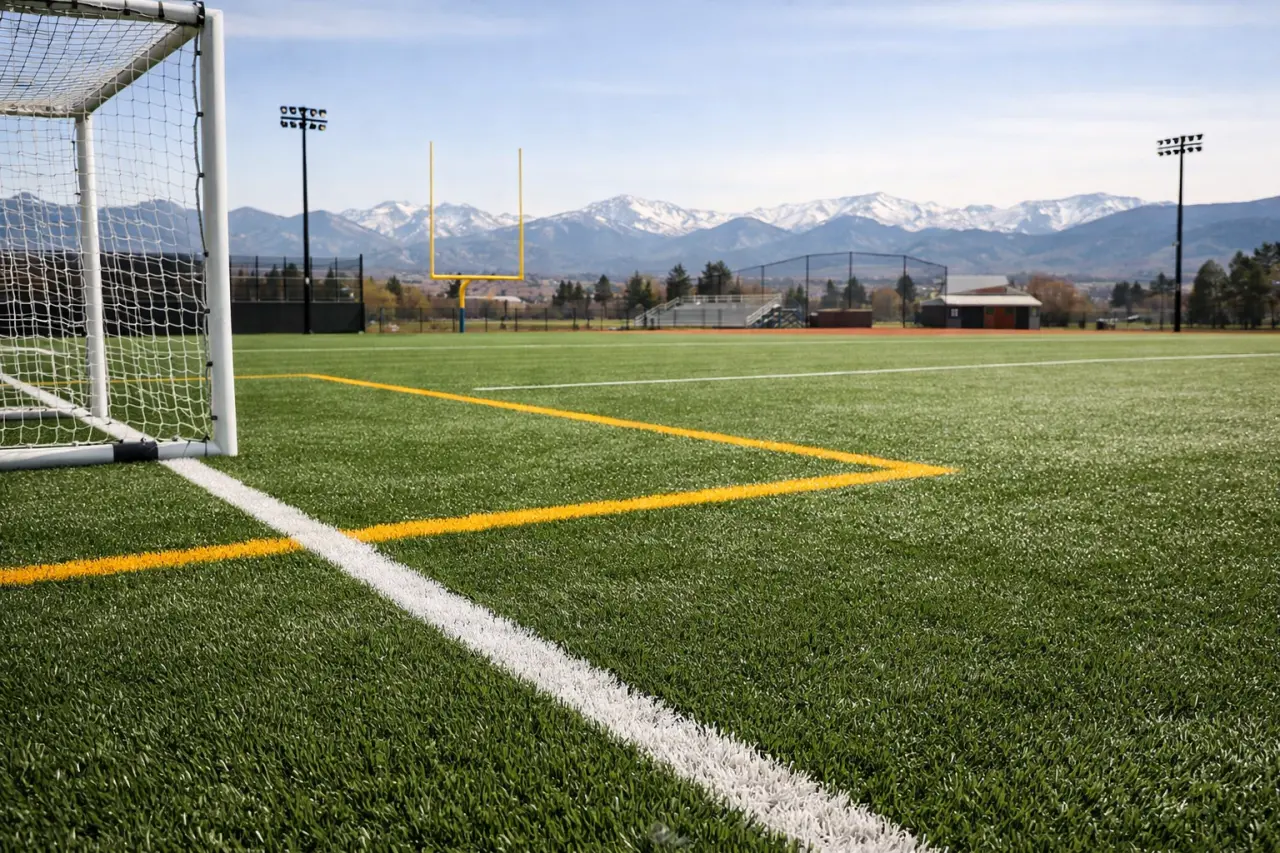
Why Lakewood’s sports fields need the right turf plan
In Lakewood, athletic fields take a beating from weather, league schedules, and constant use. The City of Lakewood’s own field-rental rules show how closely turf conditions matter: closures can happen when turf is displaced, frost is visible, or fields are otherwise unsafe to use (City of Lakewood). For coaches, park staff, and facility managers, that makes artificial turf more than a surface choice — it’s a maintenance strategy.
Artificial turf services in the sports category usually cover three jobs: installation, ongoing maintenance, and repairs. In a city where football/soccer fields, tennis courts, and other reservable athletic spaces are part of daily recreation, each of those jobs affects whether a field stays open and playable (City of Lakewood, City of Lakewood).
Start with the field’s actual use
A sports-turf project should begin with how the field will be used, not just what it should look like. Lakewood’s athletic spaces support everything from soccer and football to rental use and recreation programming, so a field may need to handle cleats, line markings, and repeated traffic without losing traction or flattening out quickly (City of Lakewood, City of Lakewood).
When comparing providers, ask whether they work on:
- athletic fields for soccer or football
- school or park recreation areas
- turf repair after seam failures, burns, or heavy wear
- field striping and re-marking
- drainage-related fixes
Those questions matter because a field that drains poorly or wears unevenly can trigger closures and extra maintenance downtime. The city’s field policies make clear that keeping a safe playing surface is a shared responsibility, and that annual rest and renovation periods are part of maintaining sustainability (City of Lakewood).
Local decision-making: installation, repair, or reset
Not every project needs a full replacement. Sometimes the better move is targeted repair, especially if the turf is still structurally sound. Other times, a tired field needs a full rebuild with a new infill system, better drainage, or improved base prep.
A good Lakewood provider should be able to explain the difference between:
New installation
This is the best fit for a new sports complex, a major field conversion, or a surface that has reached the end of its life.
Maintenance
Routine upkeep may include brushing, debris removal, infill leveling, seam inspection, and checking high-traffic areas.
Repair
This can cover torn seams, worn entrances, unsafe edges, and localized drainage trouble.
Because Lakewood fields are actively scheduled and can be closed for weather or maintenance issues, the practical question is usually not “Can the turf be fixed?” but “How quickly can play safely resume?” (City of Lakewood).
What to ask a sports turf contractor in Lakewood
If you are calling around, keep the conversation concrete. A serious turf contractor should be able to discuss the field surface, sub-base, drainage, and maintenance needs in plain language.
Ask about:
- Drainage design: How water moves off the field and where it goes
- Safety and playability: Whether the surface is built for cleats, pivots, and quick cuts
- Field markings: How permanent or temporary lines will be handled
- Maintenance access: What the field needs after installation to stay consistent
- Repair timelines: How long common fixes usually take
Those details matter at Lakewood facilities that are used for league play and rentals, because a turf problem can affect a whole schedule, not just one practice slot (City of Lakewood, City of Lakewood).
Reading a proposal the way a field manager would
A turf proposal should tell you more than the square footage and price. For sports use, the strongest bids usually explain what the contractor will do to keep the field stable over time.
Look for language that covers:
- base preparation and compaction
- drainage improvements
- seam layout and edge control
- infill type and distribution
- warranty terms for labor and materials
- maintenance expectations after completion
If those points are missing, the proposal may be incomplete even if the headline price looks attractive. That can matter in Lakewood, where recreation leaders are balancing regular play, field closures, and scheduled maintenance across multiple athletic sites (City of Lakewood, City of Lakewood).
A practical Lakewood approach
For Lakewood buyers, the smartest path is usually to think in seasons, not just in projects. A field that handles spring leagues may need different upkeep than one that sits mostly idle until summer. The city’s own policies around weather closures and renovation periods reflect that reality: turf performance changes with use, conditions, and timing (City of Lakewood).
If you are managing a school field, park, or private sports complex, choose a turf team that can answer three questions clearly:
- How will the surface perform during heavy use?
- How will it drain and recover after weather?
- What maintenance will keep it usable over the long run?
That is the kind of conversation that turns artificial turf from a visual upgrade into a dependable sports surface for Lakewood athletes.
Related articles
Colorado Springs Artificial Turf Services for Sports Fields
Colorado Springs teams and facilities need turf that drains well, plays evenly, and stands up to heavy use. A few local installers are built for that job.
Editorial Team
Denver Sports Turf Services for Schools, Clubs, and Fields
Denver field managers comparing synthetic turf options can look at installation, repair, and maintenance through a few local specialists with different strengths.
Editorial Team
Lakewood Artificial Turf Services: Field Planning and Repair
Lakewood field managers weigh turf choices, drainage, and upkeep differently than homeowners. Here’s how local projects and providers shape safer play surfaces.
Editorial Team